

In recent years, African contemporary art has garnered increasing attention on the global stage, captivating collectors, enthusiasts, and art lovers alike. With its rich history, diverse cultural influences, and dynamic creativity, African contemporary art offers a compelling narrative that reflects the continent’s multifaceted identity and vibrant spirit.

Exploring African Contemporary Art: A Cultural Journey
African contemporary art is a vibrant tapestry woven with threads of tradition, innovation, and cultural expression. Rooted in centuries of artistic heritage, it encompasses a wide range of mediums, styles, and themes, reflecting the complexity and diversity of the African experience.
From the bold, expressive paintings of Nigerian artist Ben Enwonwu to the intricate beadwork of South African artist Esther Mahlangu, African contemporary art defies easy categorization, embracing a multitude of influences and perspectives. It draws inspiration from traditional African art forms, as well as global contemporary trends, resulting in a rich tapestry of creativity that resonates with audiences worldwide.

Themes and Motifs: Exploring Identity, Tradition, and Modernity
One of the defining characteristics of African contemporary art is its exploration of identity, tradition, and modernity. Artists grapple with questions of heritage, belonging, and cultural heritage, infusing their work with personal narratives and collective experiences.
In Senegal, artists like Soly Cissé, known for his surreal and thought-provoking paintings, and Seyni Awa Camara, celebrated for her vibrant textile art, are reshaping the narrative of contemporary African art. Their work reflects the complex realities of Senegalese society, addressing themes such as migration, urbanization, and cultural identity.

Global Recognition and Influence
In recent years, African contemporary art has gained significant recognition and influence on the global stage, with African artists commanding attention at international art fairs, biennales, and exhibitions. Institutions such as the Tate Modern in London, the Museum of Modern Art in New York, and the Centre Pompidou in Paris have dedicated spaces to showcase African contemporary art, further amplifying its visibility and impact.
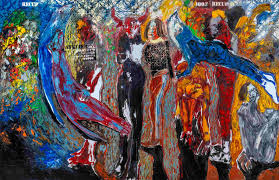
Artists like Aboudia, known for his vibrant and dynamic paintings that capture the energy of urban life in West Africa, have played a significant role in shaping the global perception of African art. Abboudia’s work generated more than $10 million at auction in 2021.

This growing recognition has not only elevated the profile of African artists but has also opened up new opportunities for collaboration, dialogue, and exchange across borders. African contemporary art is no longer confined to the margins but occupies a central place in the global conversation about art and culture.
Looking Ahead: The Future of African Contemporary Art
As we embark on this journey into the world of African contemporary art, we are met with a sense of excitement, curiosity, and possibility. With each brushstroke, sculpture, and installation, African artists continue to push boundaries, challenge conventions, and redefine the artistic landscape.
As collectors, enthusiasts, and advocates, we have the privilege of bearing witness to this dynamic and ever-evolving art form, engaging with its stories, exploring its themes, and celebrating its creators. Together, we can contribute to the ongoing dialogue surrounding African contemporary art, fostering greater understanding, appreciation, and awareness of this rich and diverse cultural heritage.
 Bridging Africa and The World Through Contemporary Art
Leave a comment