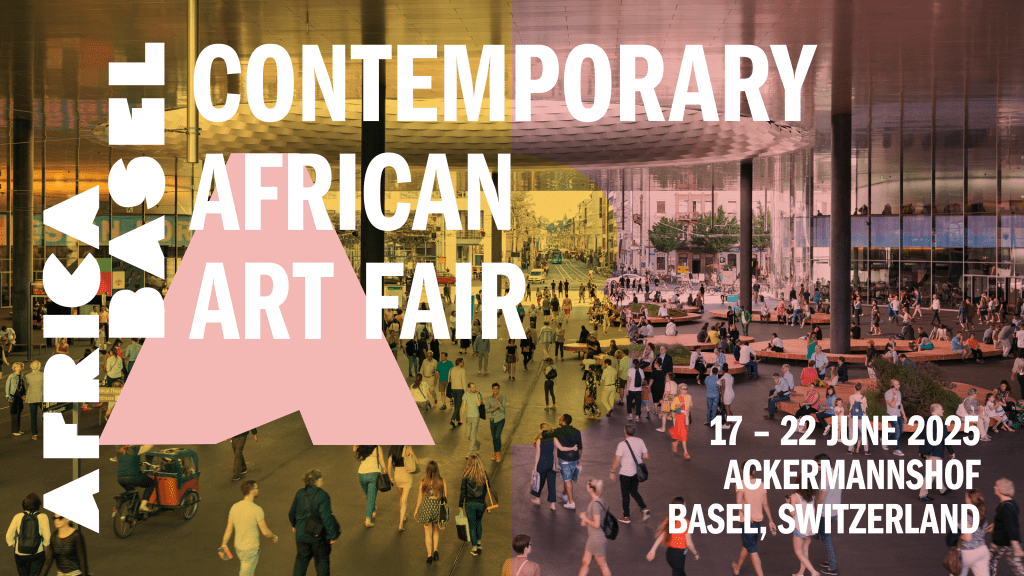

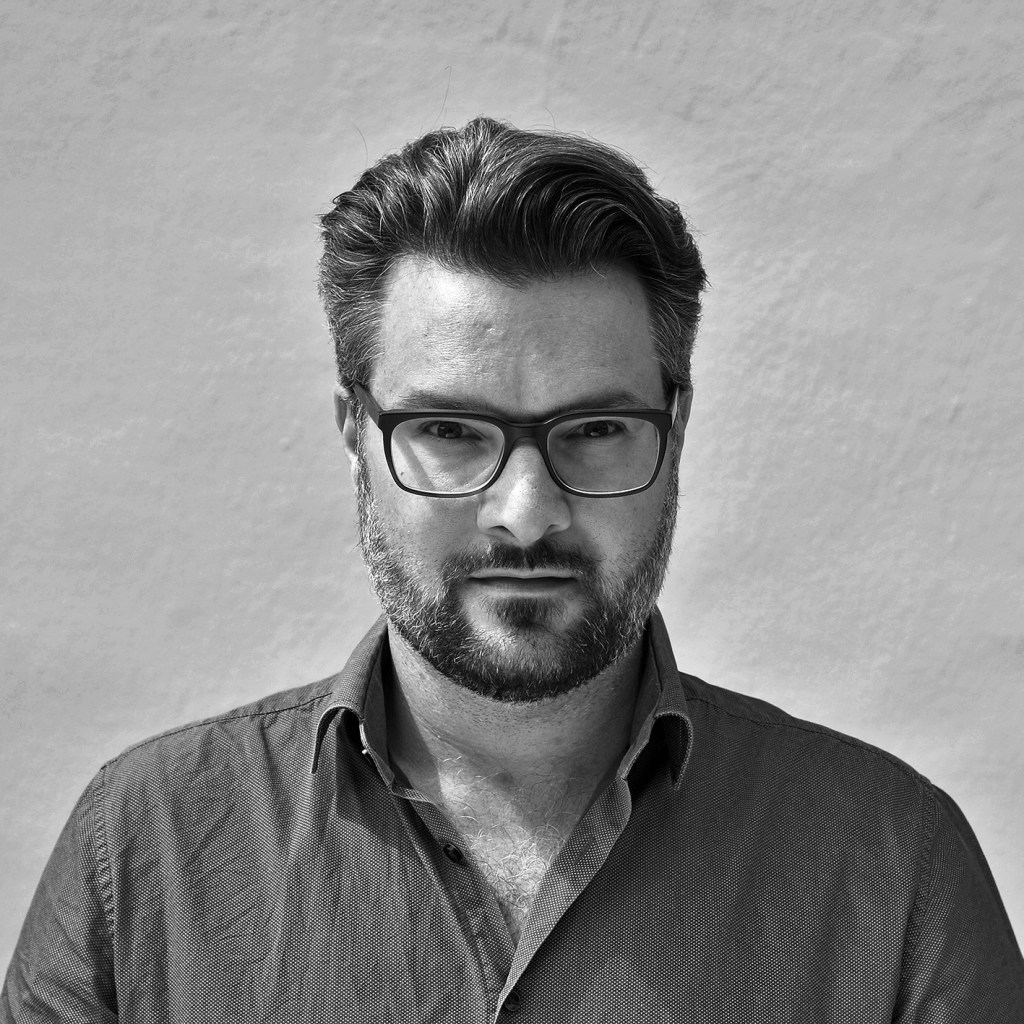
In June 2025, Basel will welcome a new addition to its globally renowned art scene: Africa Basel, an art fair debuting alongside Art Basel. Co-founded by Benjamin Füglister, who also launched the Contemporary African Photography (CAP) Prize in 2012, this initiative aims to spotlight contemporary African art and connect its creators to an international audience. In this interview with DakArtNews, Benjamin Füglister shares the personal journey and professional insights that birthed Africa Basel, its unique mission in a crowded art fair landscape, and his vision for its impact. From his Berlin days to his return to Basel, here’s how he’s working to bridge continents and conversations.
What sparked the idea for Africa Basel, and Why Now?
The Contemporary African Photography Prize started it all. In 2012, while working at European Photography Magazine, I set out to research contemporary African photography by starting a call for entries. Back then, we didn’t see much from the African continent. The internet and social media weren’t as strong as today, so visibility was low. We received a high number of applications and what was meant to be a one-time thing, turned into an annual award powered by the appreciation in the global photography. That’s my connection to Africa. Through the CAP Prize, I travelled a lot on the continent for exhibitions—with 60 around the globe, half in Africa. I got to know artists, galleries, museums, curators, etc.
After 20 years in Berlin, I returned to my hometown Basel. My friend Sven Eisenhut-Hug, who founded photo basel Art Fair and ran it successfully for 10 years, wanted to do something together. The Swiss art fairs have long been criticized for not being inclusive enough, and African art was underrepresented.
With me back in Basel, my experience in African art, and his knowledge of running art fairs, we decided to join forces and start Africa Basel. While I was hesitant at first, I quickly realised that the need is real and interest in contemporary African art is high. Africa Basel is not set out to last for 200 years but only as long as a dedicated platform for Contemporary Art from Africa is a necessity. We want to be a platform where artists and galleries dealing with African art can meet Basel’s truly global collector base and art scene can have a meaningful discourse around contemporary African art.
Basel is a heavyweight in the art world thanks to Art Basel. What unique angle does Africa Basel bring that isn’t already covered?
It’s true—Art Basel is the most important art fair in the world. There’s a lot going on during this week, and we’re competing with that. In 2025, Art Basel in Basel has 5 galleries from the African continent out of 291 total. That’s not enough. Sure, there aren’t as many galleries in Africa as in Europe or North America per capita, but there could be more than that. This misrepresentation has various reasons, including economic ones. For instance, I just got back from the Cape Town Art Fair— the majority of artworks sold between $1,500 and $10,000. You can’t make a profit in Art Basel’s global economy with that range. And if galleries develop their artists to higher price points, they might do economically well at a fair like Art Basel, but back in their own economies, they cannot easily sell at these higher price points. That’s certainly one reason for the underrepresentation. William Kentridge for example initially had one price for African economies and another one for global sales. This led to collectors buying in Africa and sometime selling his work in the global market. So, you see it is a conundrum not easily solved.
This is where we come in. Africa Basel is much more affordable than other art fairs in Basel. We’re very focused—only 20 exhibitors. We connect galleries, artists, collectors, and curators personally. This way we hope to educate collectors and curators on the contemporary African art scene and potentially reduce their fear to engage with it more.
Why this fear?
Because Contemporary African art is often unknown to them. The market collapsed slightly over the the past 2 years, and many also wary for economic reasons. Imagine, if you’ve never traveled outside Europe, your perception of Africa is probably 60 years old. We aim to offer a tailored education and conversations programme, which is also something that sets us apart from many other art fairs. We will give the same attention to the conversations around contemporary African Art as we give to the exhibitors at Africa Basel.
How are you defining ‘contemporary African art’ for this fair?
It’s very simple. Contemporary African art in the context of Africa Basel is art created on the African continent by contemporaries, practitioners alive and creating today.
What about African artists from the diaspora?
We include diasporic art too, but with only 20 galleries, we’re prioritizing the continent.
Can you tell us about the selection process for the 20 galleries?
We’re running the selection process now. We have a waitlist. Some galleries reach out to us beforehand, and we give, together with our curatorial board, feedback on the proposed artworks. It is at our core to be an art fair first and an African art fair second. Meaning we ask galleries to apply with engaging artworks rather than works from the beaten path cementing old stereotypes.
Will the galleries mostly come from hubs like Lagos, Johannesburg, Dakar, or less visible spaces?
More than half the applications are from the African continent, which is great. We have galleries from major hubs, but also from Botswana, Sierra Leone—less known in the African art world. No galleries from Dakar yet, to my surprise. I spoke to many there; a few are already in other basel art fairs. I definitely think, Senegal’s gallery scene should be present at Africa Basel.
If you could teleport one African artwork into Africa Basel’s spotlight, what would it be?
I can’t answer that. I’m the director—I make sure everything goes right. The curatorial board is responsible for curation. I won’t give my opinion here.
Who’s on your curatorial team, and how did you assemble them?
We needed a mix of people. With just 20 galleries, we can’t have a board of 20—we settled on 4 for conversation. Azu Nwagbogu, a freelance curator, travels globally and knows African art in that context. Dr. Greer Valley, an academic, looks at art conceptually, not necessarily in a scenic way. Michèlle Sandoz was Head of VIP at Art Basel for 8 years; a networker, born in Zimbabwe. And Serge Tiroche, a collector who invested vastly in contemporary African art in the past 15 years, knows the market intimately. It’s a balanced group.
Art fairs are often criticized for being elitist. What’s one bold step Africa Basel is taking to make African contemporary art accessible beyond the VIP crowd?
Art fairs at this level are elitist and have to be so as to be economically profitable. And this is the case for everyone included, exhibitors, artists and other parties involved. Having said this, we are offering experiences free of charge and publicly accessible. Our conversation programmes are free and accessible. People are welcome to hang out in the courtyard of the venue, where we will host events, performances, etc. We’ve got 2 outdoor spots in the city, free and accessible. We aim to grow our public programme in the future and will do this organically and sustainably. We also aim to continue our conversations programme throughout the year to keep the conversation going.
How many artists are you expecting to show their works, and what type of art?
Around 60 artists. It’ll be painting, photography, sculpture, installation, video art, etc.
10 years from now, what’s the one thing you hope people say Africa Basel has changed about how African contemporary art is seen or valued globally?
I hope people won’t even remember that there were different times, but it should feel just natural that African art is included organically in the art world. If we—all working in African art in Basel—manage to get more artists and galleries from the continent into non-African art fairs, then we’ve achieved our goal.
Read also
From Geneva to Dakar: David Brolliet, a Collector of Art and Encounters
Why Dakar Stands Out in the World of Art! A Conversation with Wagane Gueye
 Bridging Africa and The World Through Contemporary Art
Leave a comment