

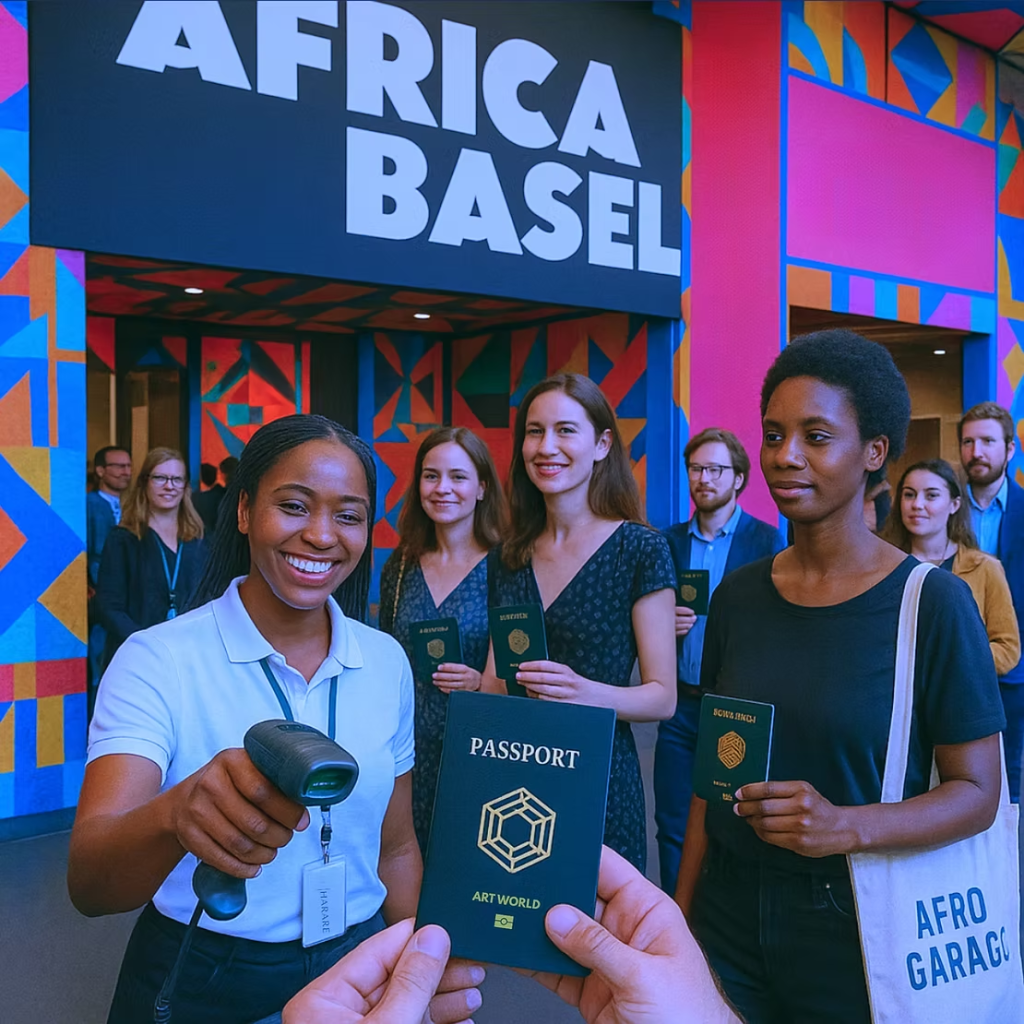
He was meant to be here at Africa Basel, showcasing his project Art World Passport—an artistic critique of borders and movement. Richard Mudariki, a Zimbabwean artist based in South Africa and founder of artHarare, was invited to Basel to present his work. Yet ironically, his visa was denied. This denial highlights a harsh reality: in 2022, Africa topped the list of visa rejections worldwide, with 30% of applications refused—one in three—despite having the lowest number of applications per capita. In this exclusive interview with DakArtNews, Richard shares his frustration and reflections on how the barriers he critiques in his art continue to shape his own journey.
Can you tell us about your project Art World Passport that you were supposed to show during Africa Basel and what inspired it?
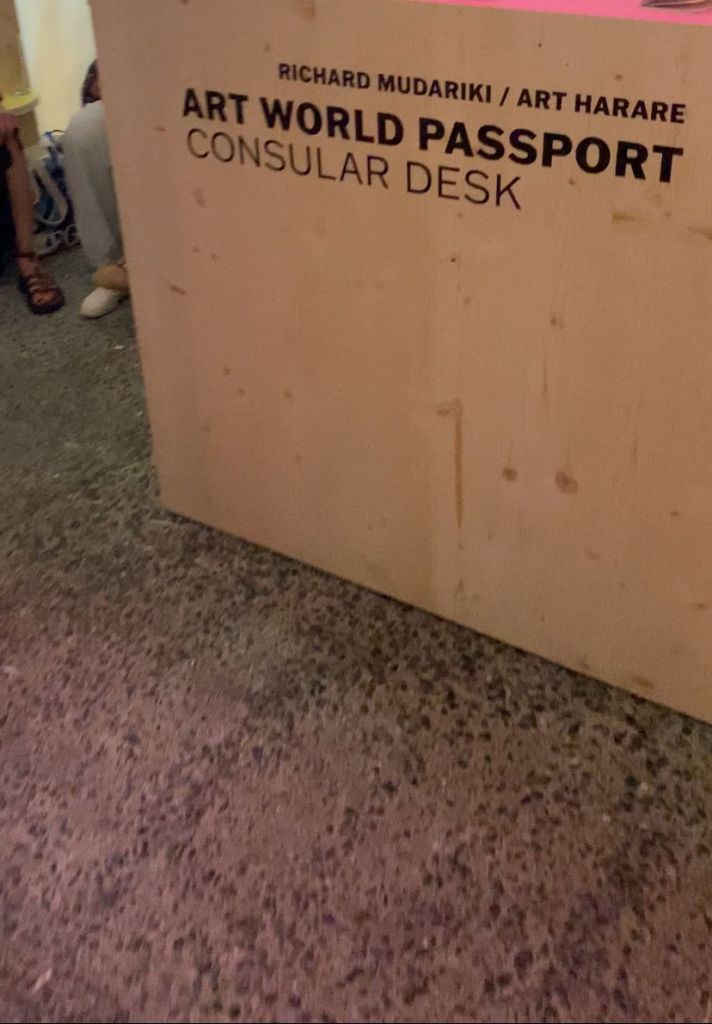
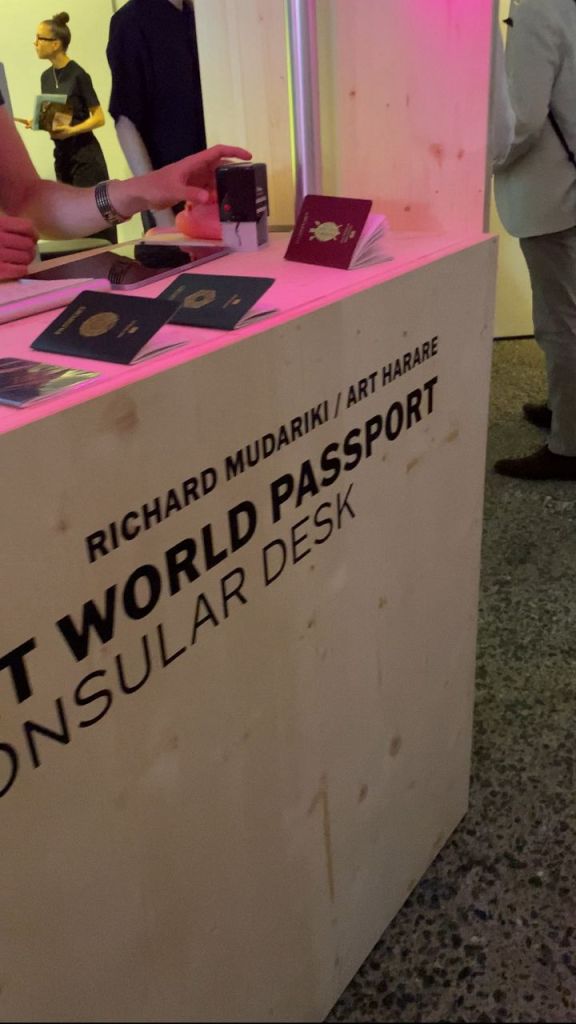
The Art World Passport is a conceptual and participatory art project that reimagines a travel document as a collaborative artwork and speaks on issues of migration, identity, cultural mobility, archiving and access in the art world. It was inspired by the stark inequalities I witnessed myself as an artist from the Global South, that is who gets to travel, exhibit, be seen, and whose voice is amplified. I wanted to create a symbolic document that critiques real-world gatekeeping while proposing a utopian system where access is based on creative contribution, not nationality or privilege. It also celebrates the global movement of ideas, not just bodies.
What was your reaction when your visa to Basel was denied?
This is the first time l have been denied a visa to travel. It was deeply frustrating but not surprising. I have seen too many fellow artists from the Global South face similar barriers. Still, it was a bit frustrating. I was invited, my project was selected, the artwork was already there, and yet I could not be. I also had a group exhibition in Zurich that l organised with a Swiss art institution that showcased some of the leading contemporary artist from Zimbabwe, many of which had showcased at the Venice Biennale. This exhibition opened a day before the Zurich Art Weekend. This VISA denial felt like the very system I was critiquing had swallowed me whole, and in a way, it confirmed everything the Art World Passport stands against.
How do you think this experience reflects the very issues your work aims to address?
It mirrors the exact inequalities the artworld passport project seeks to highlight: the asymmetry of access, the bureaucracy that polices mobility, and the invisibility imposed on those mainly outside dominant art hubs. But, looking at it from another perspective, the denial of the Swiss visa transformed the whole passport project from metaphor to lived reality, call it a performance piece I had not planned but became part of.
Do you feel that being excluded physically has added another layer of meaning to your project?
Definitely. My absence became a powerful presence. Visitors encountered the Art World Passport without its creator, which emphasized the absurdity and violence of exclusion. It forced people to confront questions of presence in the art world. The artworld passport project is no longer just a critique, it’s now become an act of resistance.
What message would you like to send to the global art world in light of this situation?
We must confront the illusion that the art world is a borderless space. It is not. It mirrors global inequalities unless we actively challenge them. Let’s stop treating artists from the Global South as symbolic guests and start dismantling the systems that exclude them. True inclusion means changing the rules of access, not just being politically correct.
*DakArtNews expresses sincere appreciation to the Fondation Oumou Dilly for its steadfast support, facilitating comprehensive coverage of Africa Basel and Art Basel.
 Bridging Africa and The World Through Contemporary Art
Leave a comment