
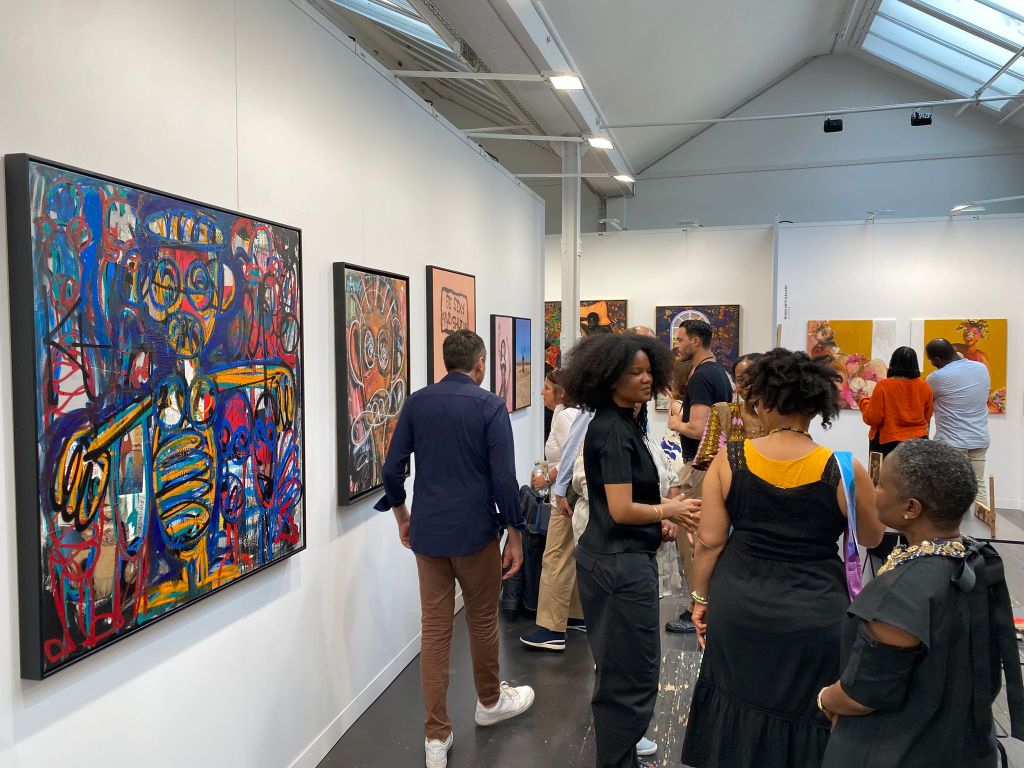

In June 2025, Africa Basel emerged as a groundbreaking international platform for African contemporary art, held in Basel, Switzerland, alongside the world-renowned Art Basel. This inaugural fair not only showcased the vibrancy of African creativity but also sparked critical discussions about representation and inclusion in the global art world. Below, a reflection on its significance, its successes, and the challenges it faces in reshaping the narrative around African contemporary art.
———–
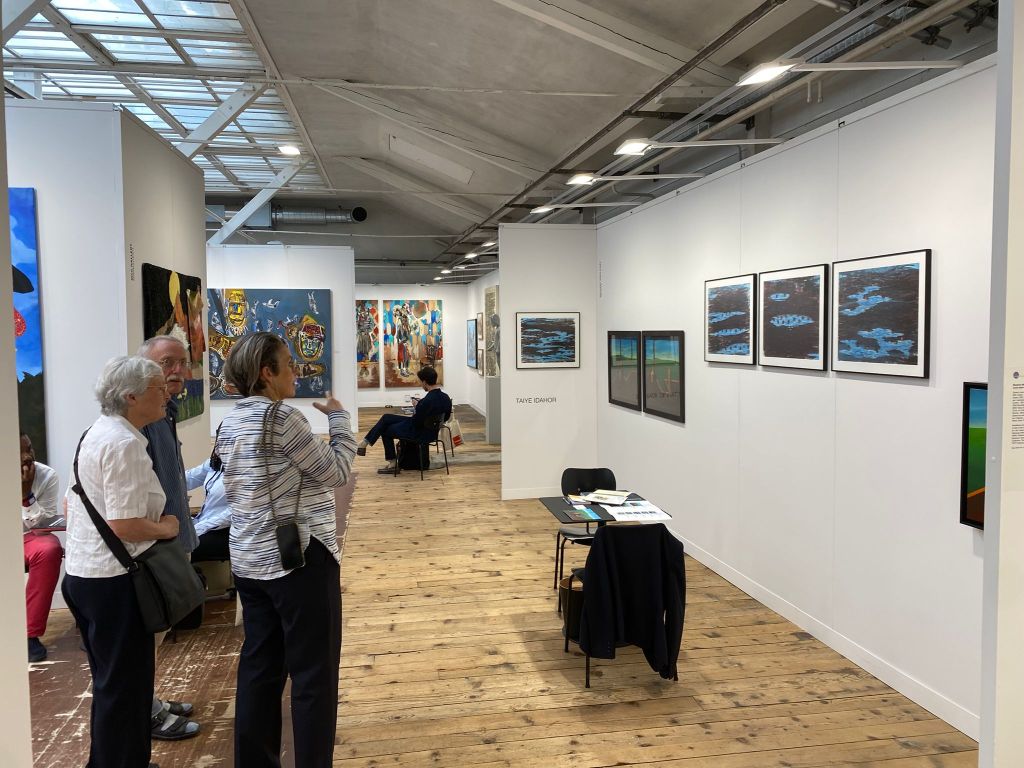
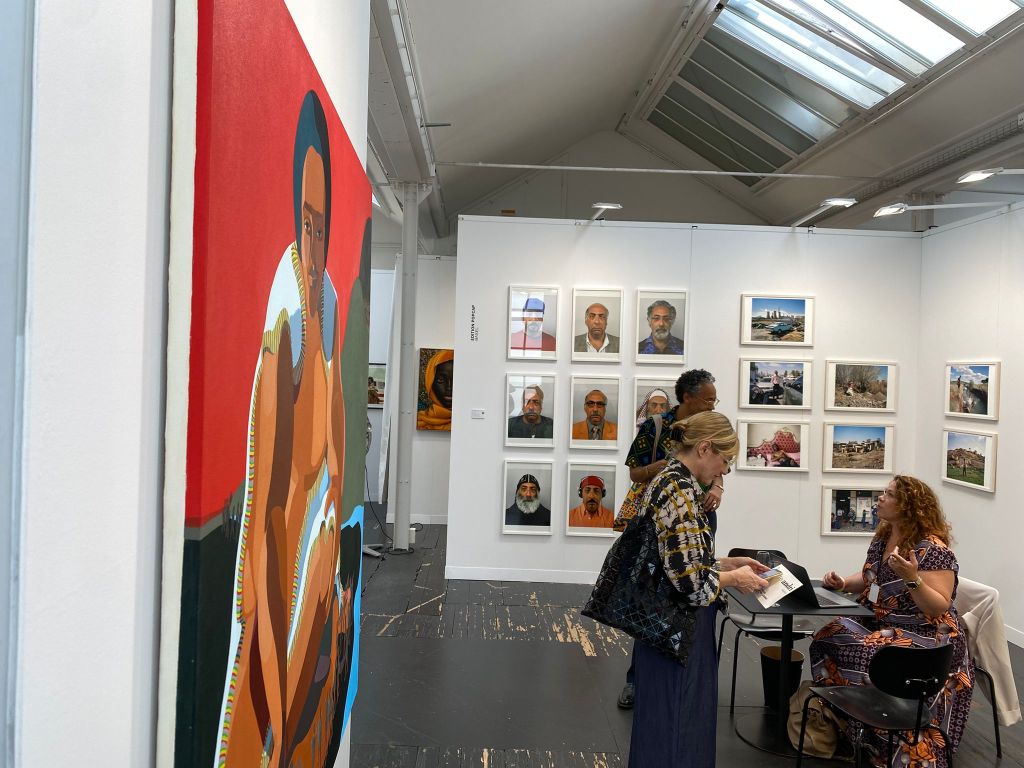
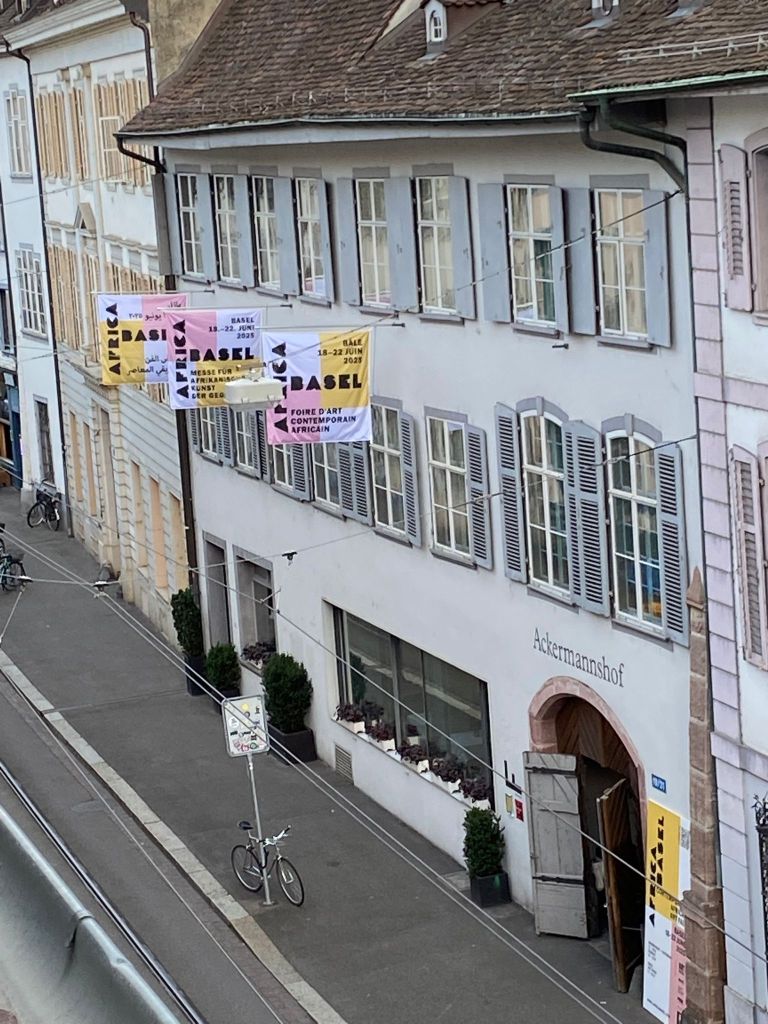
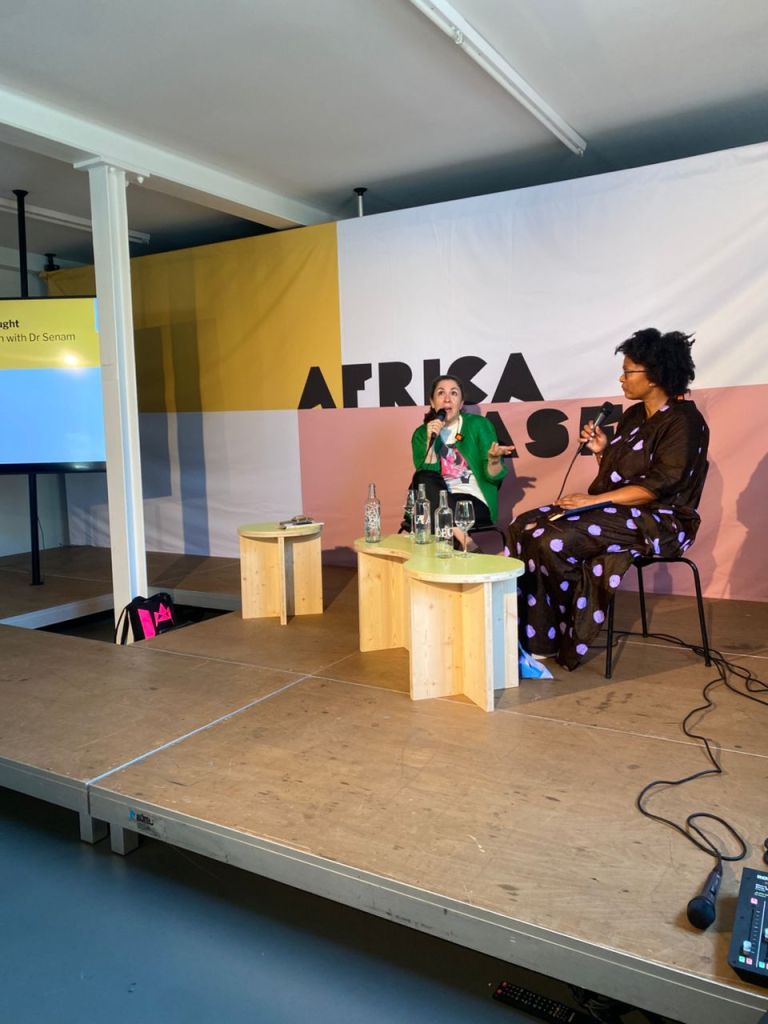
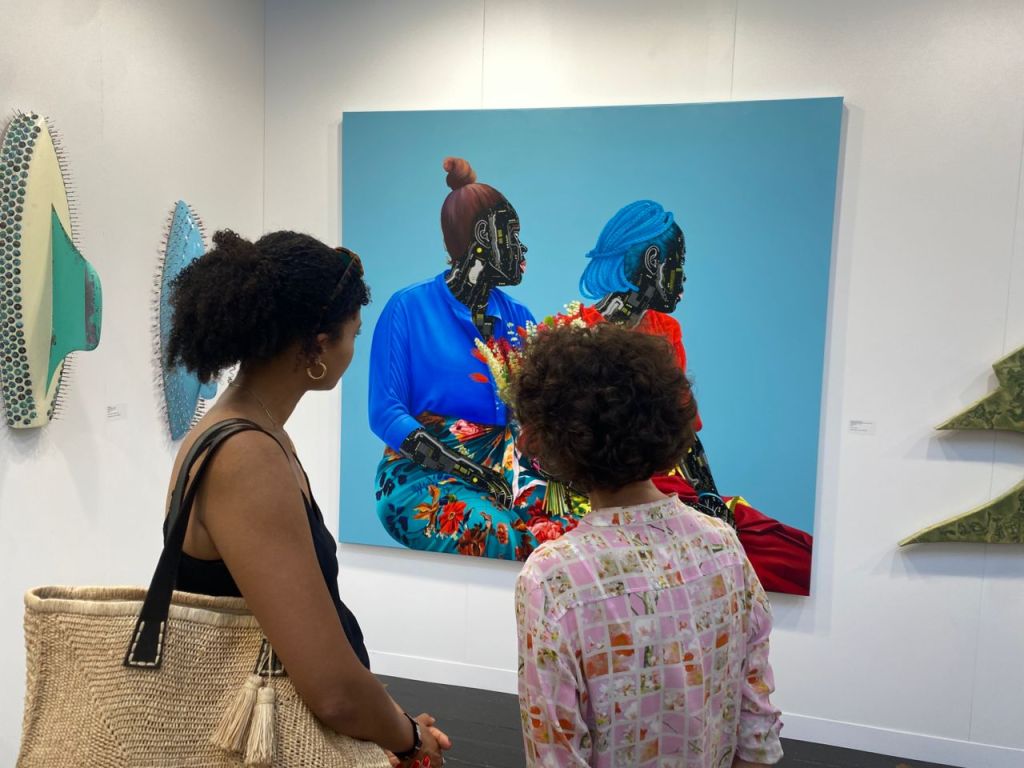
Africa Basel’s debut from June 18–22, 2025, drew thousands of visitors to the Ackermannshof, establishing itself as a vital space for African contemporary art. Like other international fairs, it featured collectors, media partnerships, VIP services, talks with artists and experts, as well as artistic performances. Its strength lay in its vibrant mix of emerging and established galleries from both Africa and Europe, showcasing artists living on the continent alongside those from the diaspora, made possible by more affordable booth costs that enhanced visibility.
By the third day, over half of the 18 participating galleries had made sales. Barbara Kokpavo of Soview Gallery in Ghana described Basel as a “powerful platform.” The Moroccan Galerie 38, which recently opened a space in Geneva, showcased works by established artists like Kendell Geers and Barthélémy Toguo, further bridging African and global art scenes.
By positioning Africa at the heart of the global hub of contemporary art, Africa Basel captured a share of Art Basel’s over 88,000 visitors, amplifying a creative scene often sidelined in global art events.
Beyond Aesthetics, A Call to Reflect
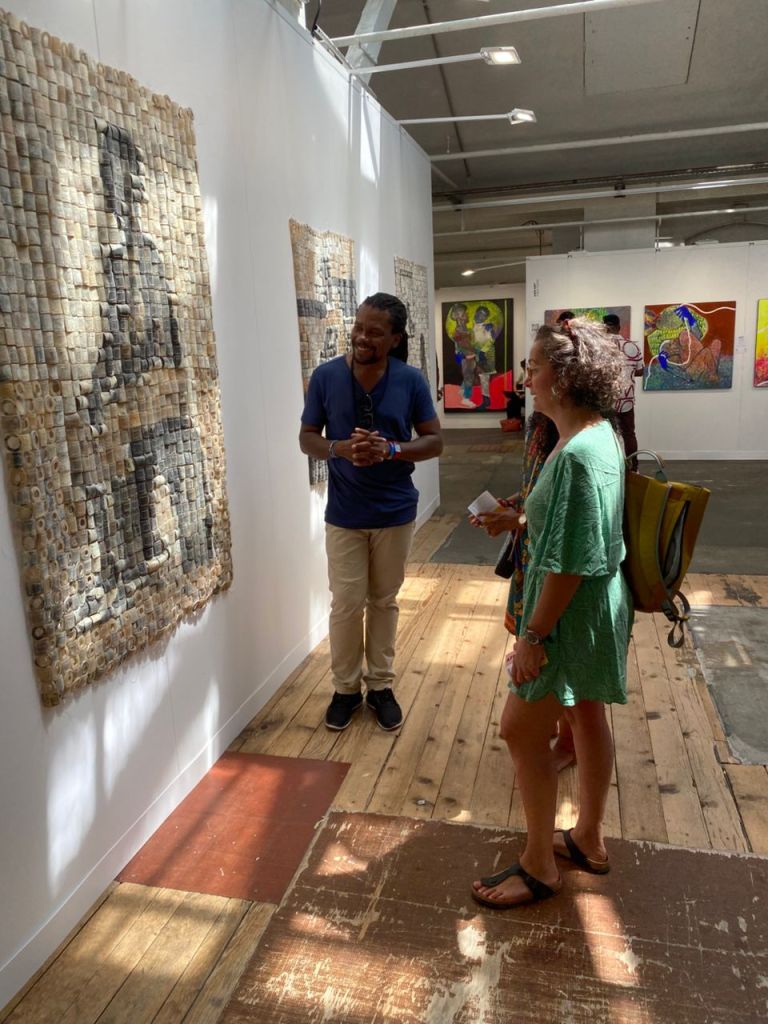
Building on this vibrant platform, the artists at Africa Basel delivered powerful social and historical commentary, showcasing the depth of their work. Congolese artist Alexandre Kyungu Mwilambwe, represented by Venice’s AKKA Project, draws on scarification practices as symbols of identity, imagining an Africa untouched by colonization.
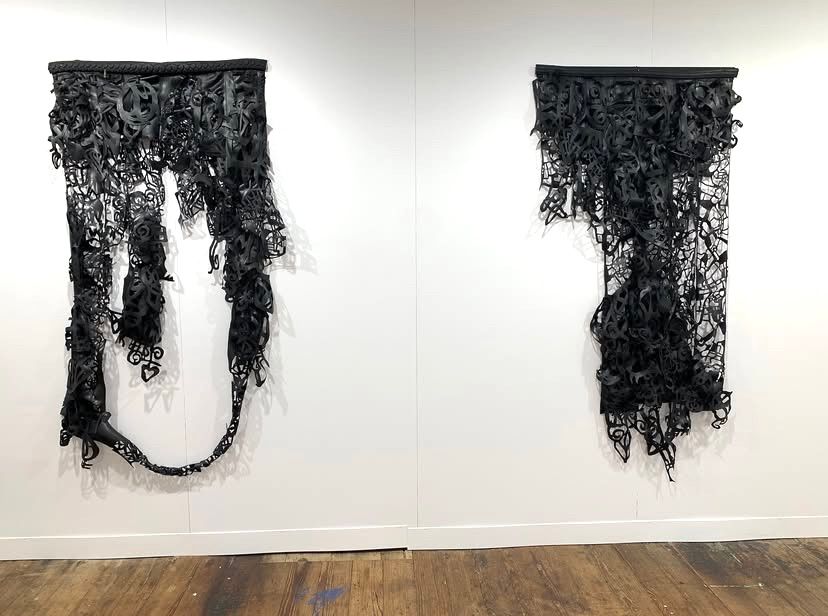
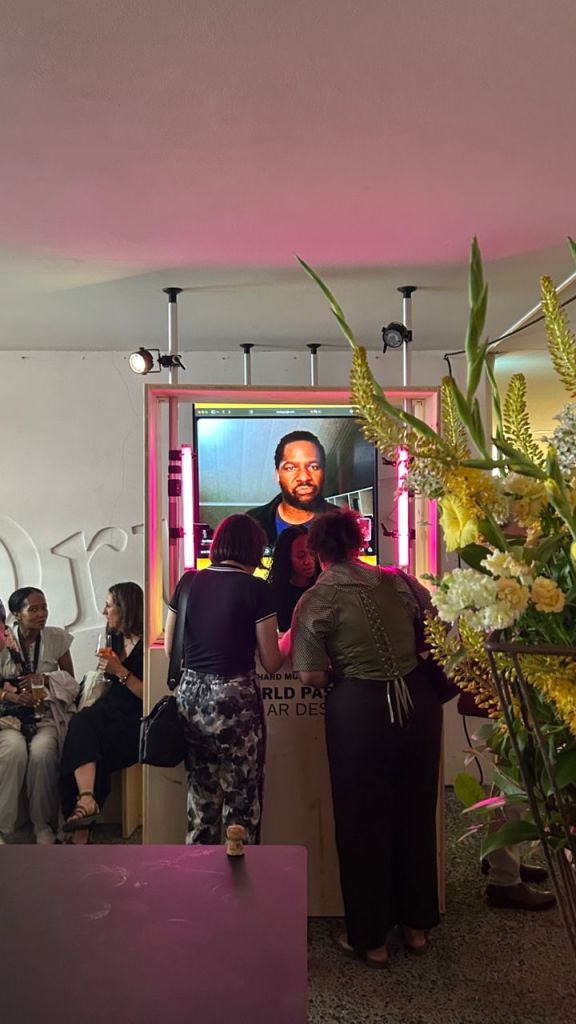
His works, crafted from recycled inner tubes, blend cartography with Congo’s colonial history, evoking both physical scars and modern migration routes. Similarly, Zimbabwean artist Richard Mudariki’s provocative Art World Passport project critiques the restrictions on mobility faced by cultural actors, particularly those from Africa, by offering metaphorical passports for art lovers to document their experiences at global art events. Paradoxically, Mudariki’s visa was rejected by the Swiss embassy, preventing his attendance at Africa Basel, underscoring the very barriers his project seeks to address.
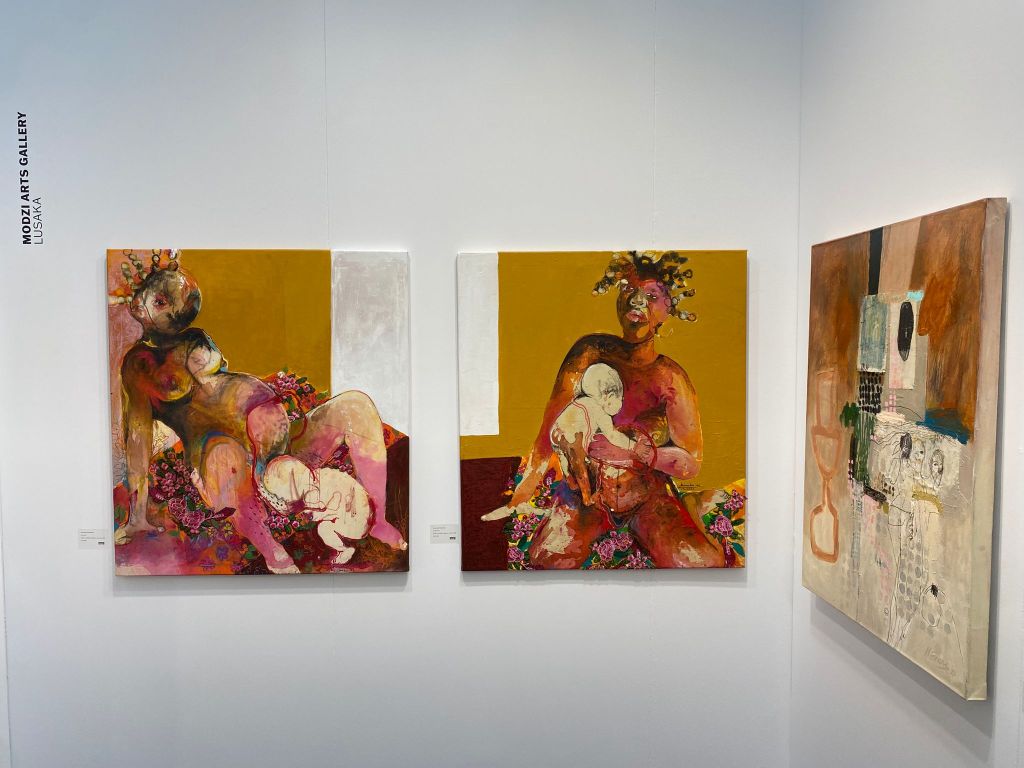
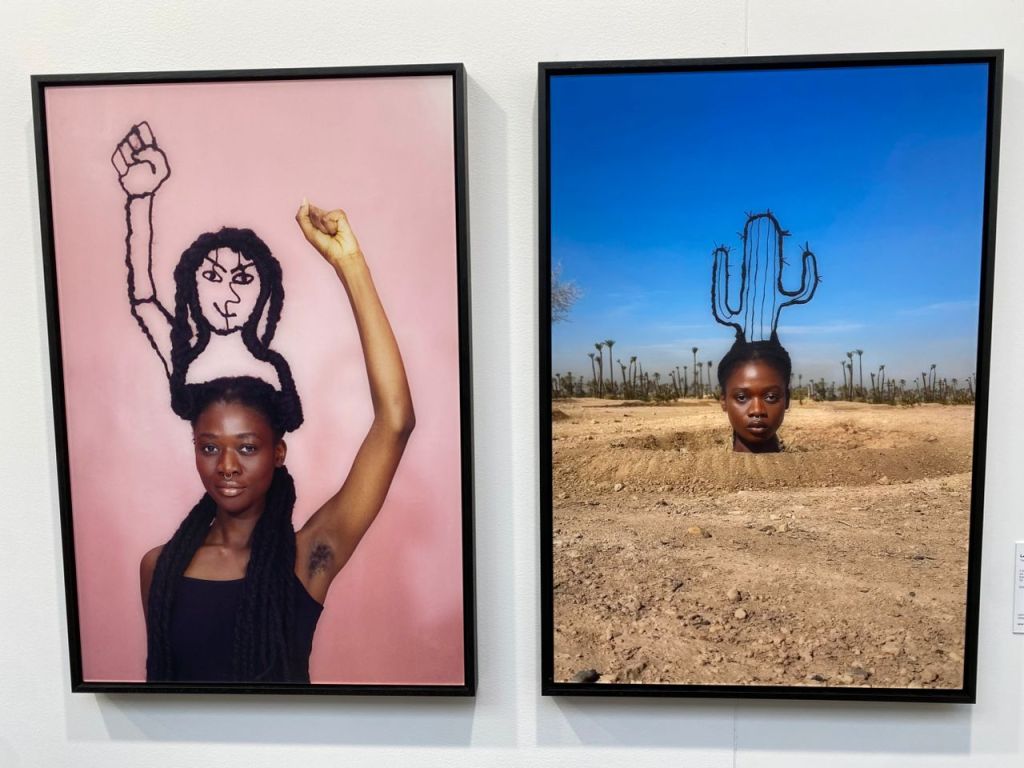
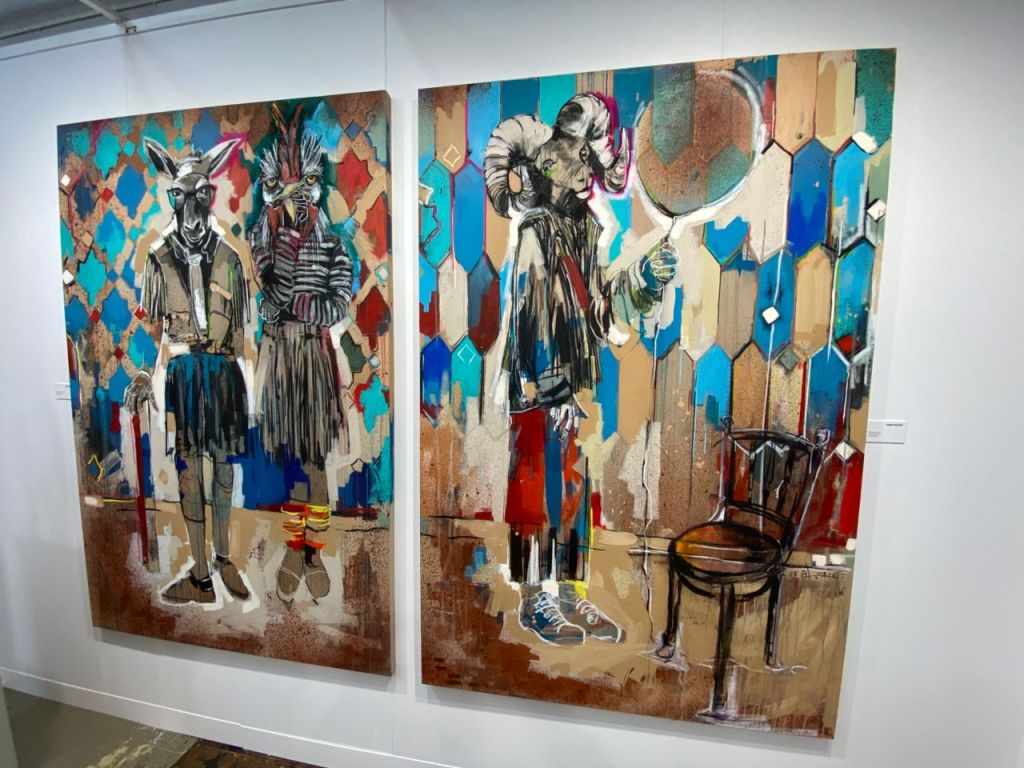
Tunisian artist Najet Dhabi’s piece The People, featuring a human body with a sheep’s head holding a plastic balloon, critiques social injustices and the status of women in a “closed Arab-Muslim world.” Her work mourns the unfulfilled hopes of Tunisia’s revolution. Similarly, Ivorian Layticia Ky’s hair sculptures celebrate precolonial Africa while addressing gender inequalities. Likewise, Zimbabwean painter Mwamba Chikwemba presents deeply personal reflections on motherhood and the postpartum experience, connecting intimate narratives to broader human conditions. These themes resonate universally, transcending the African context to reflect fundamental aspects of the human experience.
The Paradox of Marginalization
Despite its success, Africa Basel faces a critical challenge in addressing the marginalization it was created to counter. The fair was established to tackle the underrepresentation of African artists in global art events like Art Basel, where they are rarely featured, often appearing only through European and American galleries. However, by operating as a separate fair, Africa Basel risks reinforcing its isolation in the global art world it seeks to integrate. With booth costs at Art Basel’s main fair reaching up to €200,000, African galleries face significant financial barriers, making initiatives like Africa Basel essential yet delicate in navigating this paradox.
Building African Foundations
To address the issue of misrepresentation effectively, Africans themselves must take the lead in creating sustainable solutions. This requires robust local infrastructure: integrating art into educational curricula, establishing autonomous and financially supported art schools, fostering political awareness of the sector’s importance, creating a dynamic domestic market, supporting specialized media, and encouraging patronage from affluent individuals and institutions. African investment funds could support cultural actors, enabling their participation in major global art events, which can also serve as platforms for cultural diplomacy—a process requiring long-term commitment. Artist residencies and regional exchanges could further weave African creativity into global networks, while strengthening local partnerships.
As Léopold Sédar Senghor, former president of Senegal and a leading theorist of African art, believed, culture should be “at the beginning and end of all development.”
Until these foundations are in place, fairs like Africa Basel remain vital for amplifying African voices on the international stage.
A Thriving Scene
By envisioning future editions in vibrant African cultural hubs like Dakar, home to the prestigious African Biennale of Contemporary Art, Lagos, Nigeria’s dynamic creative center, or Johannesburg, a cornerstone of African art, Africa Basel could weave local vibrancy into its global resonance. Likewise, quietly nurturing a dedicated presence for Africa within the heart of Art Basel could entwine its vision seamlessly into the global art narrative.
Looking forward, African contemporary art is thriving today, propelled by new galleries, art centers, and a surge of private initiatives, including creative spaces founded by African diaspora artists, alongside dynamic fairs like Art X Lagos, which celebrates its 10th edition in November 2025, AKAA, marking its 10th anniversary in October 2025, Investec Cape Town Art Fair, and 1-54, held in London, New York, and Marrakech. Emerging biennales across the continent further amplify this momentum, weaving a vibrant tapestry of African creativity. Africa is not waiting to claim its place in the art world—it is already here, shaping the global narrative. Africa is not the future. It is the present. Africa Basel, despite its challenges, amplifies this reality, redefining Africa’s role in globalized art.
Read also
Contemporary African Art Takes Center Stage at Basel’s Newest Fair
No Entry: The Artist Whose Visa Was Denied for a Project About Borders in Basel
Africa Basel Debuts: A New Platform of Possibility in the Heart of the Global Art Circuit
*DakArtNews expresses sincere appreciation to the Fondation Oumou Dilly for its steadfast support, facilitating comprehensive coverage of Africa Basel.
 Bridging Africa and The World Through Contemporary Art
Leave a comment