
As recent institutional research suggests that the African art market has “come of age,” with dedicated auction departments now integrated into broader contemporary sales, the conversation around African art has shifted from questions of visibility to those of structural integration.
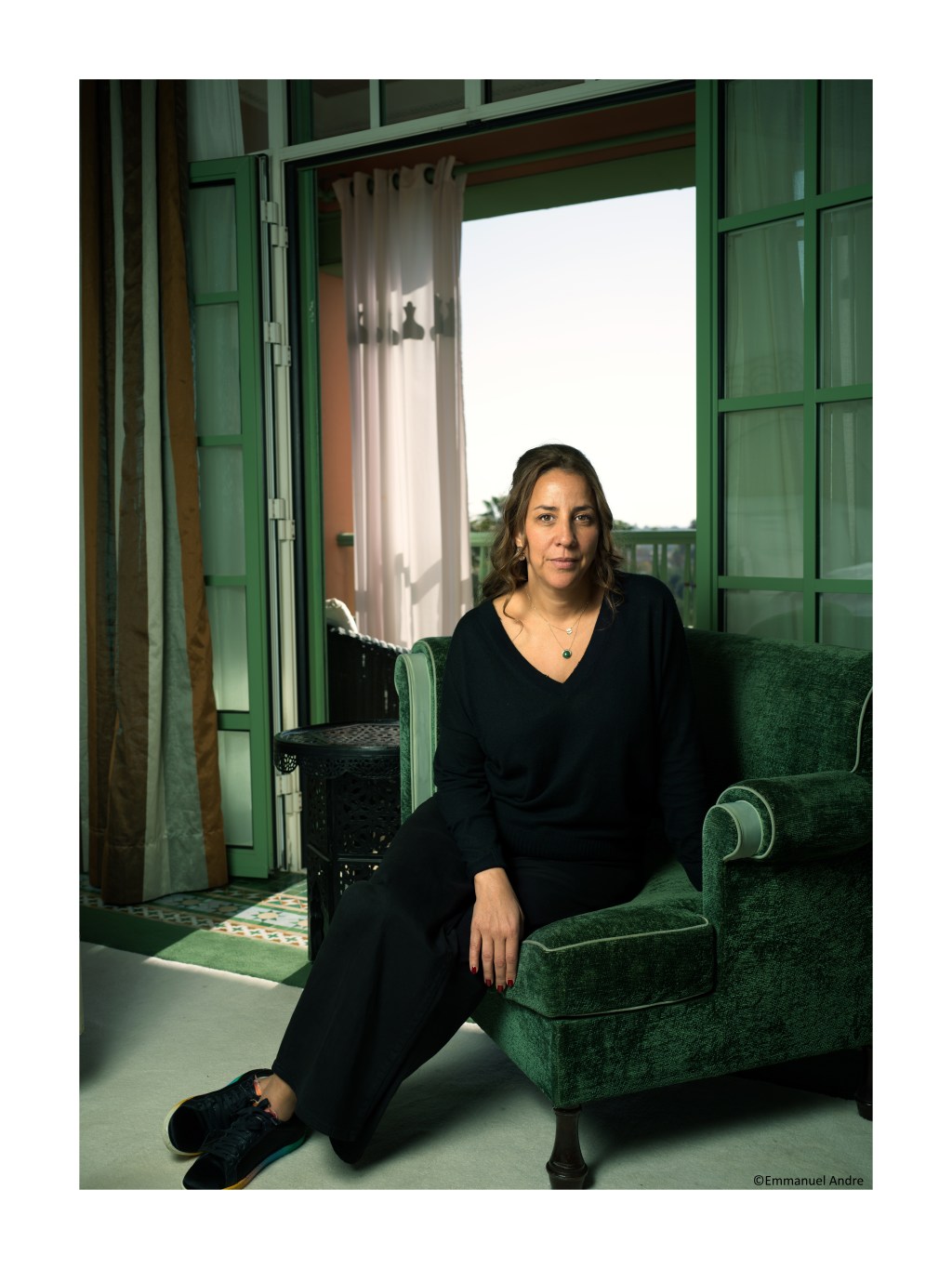
Founded in London in 2013 as a platform dedicated to contemporary art from Africa and its diaspora, 1-54 has, over the past decade, participated in reshaping that conversation. From London to New York and, since 2018, Marrakech, the fair has positioned itself not merely as a marketplace, but as a space of encounter — between geographies, generations, and narratives.
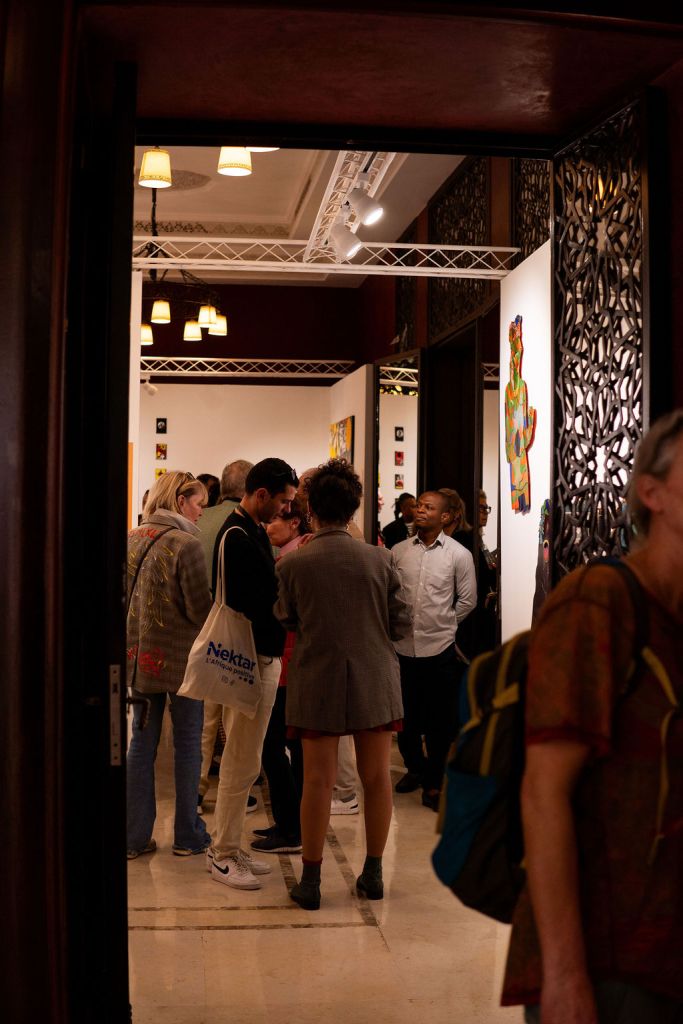
Held from 5 to 8 February, 2026, the seventh Marrakech edition unfolded as a moment of consolidation. In conversation with DakArtNews, founder Touria El Glaoui reflects on how 1-54 has evolved beyond a corrective platform for visibility into a transcontinental structure seeking to sustain and deepen the presence of African and diasporic artists within a global cultural landscape still in transformation.
The seventh edition of 1-54 in Marrakech has just concluded. What, for you, defined this year’s edition?
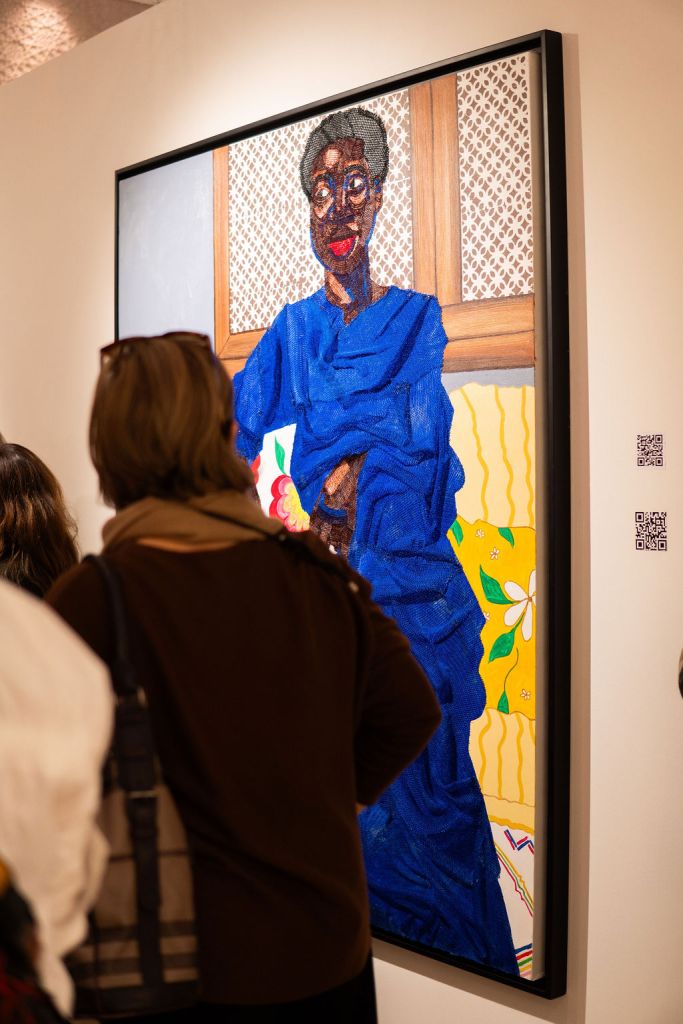
The seventh edition marked a certain maturity for the fair. We presented a deeper programme with the city. We had more committed galleries in Marrakech this year. This was the strongest edition in terms of the curatorial project around the fair as well. Over the years we’ve also seen a very interesting connection: being able to showcase a different generation of artists. We had modern artists in dialogue with younger contemporary artists in Marrakech. I like seeing that curatorial moment.
Alongside strong regional participation, we had seven Moroccan galleries, plus some Tunisian galleries. There was a strong North African participation, which matters to me. Sometimes there’s an invisible border between North Africa and the rest of Africa—seeing them together on one platform is important. We also saw more women artists this year. There were women-led gallery programmes and projects. Representation of women on the continent and across the diaspora—and within the ecosystem in general—is important. And of course, ensuring collectors and institutions remain engaged and interested in coming to Marrakech.
Did you observe notable shifts in collector behaviour, gallery strategies, or artistic propositions compared to previous years?
Since we started in 2013, there was a very clear visibility gap between contemporary African and diasporic artists and the rest of the global art market. At the beginning, our ambition was visibility. Now, we see the fair as much more involved with a broader cultural ecosystem. We see institutional partnerships—museums coming from the U.S. to Marrakech. This year, for example, MoMA did a research trip with curators in Marrakech during 1-54.
The fair has shifted from simply providing visibility to acting as a connector—between Africa and the diaspora, and between artists, galleries, collectors, and institutions. There’s still a long journey in representation and integration, but interest has grown: people are much more familiar with artists of African descent and make intentional trips to see African creation and creativity at 1-54.
What does Marrakech allow 1-54 to do differently than London and New York?
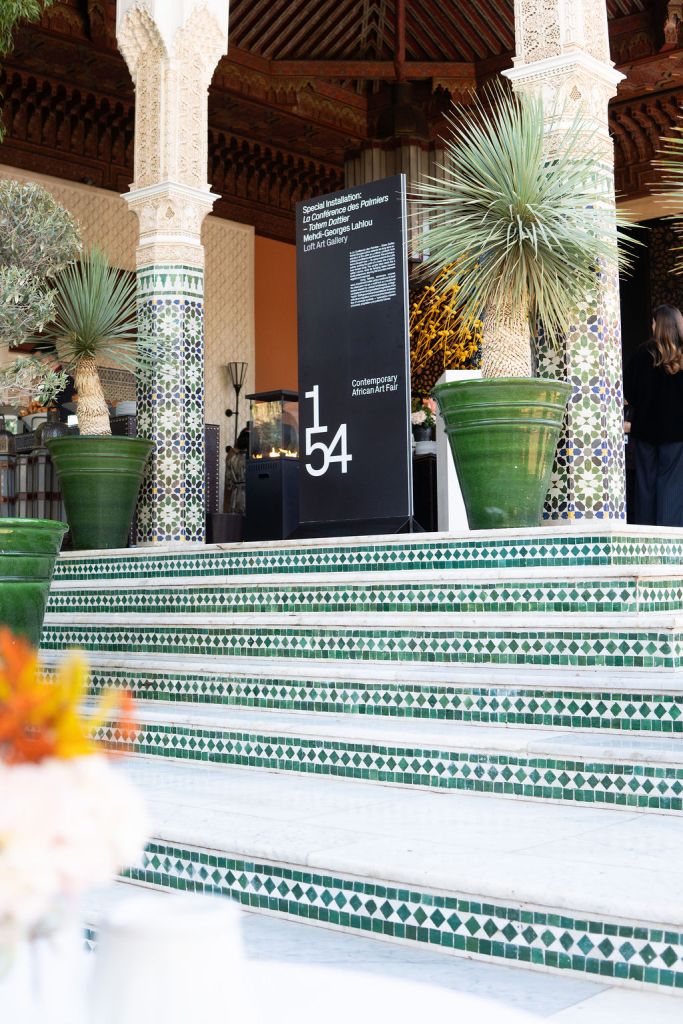
First of all, Marrakech is in Africa. For us, it’s one of the most impactful fairs because we are back on the continent. That was always the intention—we started in London and New York to bridge the visibility gap, but the goal was always to come back. Marrakech is also a cultural hub geographically: Morocco sits between Africa, Europe, and the Middle East. The fair shouldn’t operate in isolation. Being on the continent creates constant dialogue with local institutions and cultural platforms in the city. This exchange is essential.
It also allows us to be rooted on the continent while remaining international. Marrakech is regional, but very connected. And it’s an incredible backdrop: many people want to come to Marrakech. It helps bring the audience we’re trying to reach. It’s important for the artists we represent. But it’s challenging. I’m being completely transparent: organising on the African continent comes with administrative and logistical hurdles—paperwork, import-export, re-export. It’s not as easy as London or New York. But it’s also the fair many galleries enjoy the most. It’s a smaller fair, so it can be sustainable in terms of production costs.
How do you overcome those challenges and convince galleries and collectors to come to Marrakech?
Marrakech is an attractive selling point for collectors and institutions: easy access, no visa for many visitors, close to Europe, strong hotel infrastructure, and it’s a destination people want to travel to. It has cultural history, too. The challenge is really on the gallery side: they have to do business in Morocco, and we need to simplify how they transact. At the end, we are a commercial platform. It has to work for galleries to import and export artworks and sell locally and internationally. We help galleries navigate the system, which can be challenging.
We don’t need to prove that African and diasporic creativity is sustainable.
This year coincided with the inaugural Art Basel Qatar. Did you perceive real competition?
No, not at all. In an ideal world we wouldn’t choose the same dates, but our dates were set before. It’s a very different destination and format. Art Basel is one of the best fairs in the world, and a first edition creates excitement, but the audience coming to Marrakech is very different. They will likely be more Middle East and South Asia-focused. Our audience is different. We also have collectors who return to Marrakech every year, and Doha might be harder to attend regularly. And next year we’re not on the same dates, so it won’t be a question anymore.
How would you describe the evolution of the global market’s relationship to contemporary African art?
The conversation is no longer peripheral; it’s central. We don’t need to prove that African and diasporic creativity is sustainable. We now invest more in research and education initiatives—longer-term impact beyond the fair itself. In Marrakech specifically, we want to deepen local engagement with the city and Morocco. Contemporary African art is now recognised as a central force in global cultural initiatives.
Do you think the market has matured — or has it simply expanded?
It has matured, but it has also restructured. We follow the cycles of the art market: when the market is doing well, we do well; when it slows, we’re impacted too. We still need stronger appreciation and more competitive pricing for artists of African descent compared to the wider global market. That comes through visibility, inclusion in major exhibitions, and building stronger local ecosystems: stronger galleries, collectors on the continent, and national investment in cultural infrastructure.
The label “African contemporary art” remains both strategic and problematic. Do you feel 1-54 is still operating within that framework, or moving beyond it?
We’re helping decentralise the art market. Western capitals still matter strategically—because integration is still at the beginning of the journey. Even after 13 years, if you look at the numbers of African artists in international exhibitions and biennales, it’s still small compared to the rest of the art world. So having a platform focused on contemporary African and diasporic art remains necessary for now. Consistency matters. Being able to talk about it three times a year around the world is extremely beneficial. Without that structure, development would be slower in visibility, engagement, understanding, and value appreciation.
With more fairs emerging around Contemporary African Art—what makes 1-54 different?
The continent is vast; there’s so much work to do. Other fairs can be beneficial. What makes 1-54 different is the care and responsibility with which we operate. We put artists first and fight for the best conditions of visibility. If I see a platform that isn’t at the level, I will be vocal—because it’s important to elevate the field, not push it backwards. We’ve been doing this the longest with a lot of care.
Between the fairs, we want to engage more with initiatives in Africa and develop additional projects.
After more than a decade of building 1-54, has your personal vision changed?
It has evolved as the landscape evolved. The core mission remains: giving voice and visibility to artists from Africa and the diaspora. But we need to stay relevant to those artists and to the context. The progress since 2013 is huge, but the journey is still long. Working in New York and London allows me to see where we stand compared to broader integration of artists in the Western art world.
What currently excites you most in contemporary artistic production from the continent and its diasporas?
What excites me is the constant emergence of new initiatives: new galleries, projects, museum developments across the continent. We’re always surprised by what comes onto our radar. With three editions a year, we can engage throughout the year. I’m also excited about the Venice Biennale this year—African pavilions, which artists will be included, and the main exhibition. And the fact that Koyo Kouoh is curating (posthumously) is important to me—she was one of our first partners, and I’m eager to see her vision shared through the Biennale.
Looking ahead, what do you envision for the next phase of 1-54? Do you plan adding a new location?
It’s very difficult to build a new location, and I don’t want to do a one-off. If we go somewhere new, it would be with the intention of doing several editions. If we do something, it would be a pop-up curatorial show, not a full fair.
We’ve just finished Marrakech; we go into New York in May after Venice, then London. The first mission is to ensure the fairs remain successful and continue their mission in this market context—maintaining professionalism, ensuring artists are seen and taken seriously, and delivering a strong platform. Between the fairs, we want to engage more with initiatives in Africa and develop additional projects. We may have something in Dakar for the Dakar Biennale, and possibly a project format in Paris in October. But resources are limited, so our priority remains delivering the three fairs at a high level. In New York, our curatorial focus this year is Afro-Brazilian artists. We visited São Paulo Biennial in September—meeting collectors, galleries, artists—and we try to transfer that knowledge and experience into our programming.
 Bridging Africa and The World Through Contemporary Art
Leave a comment