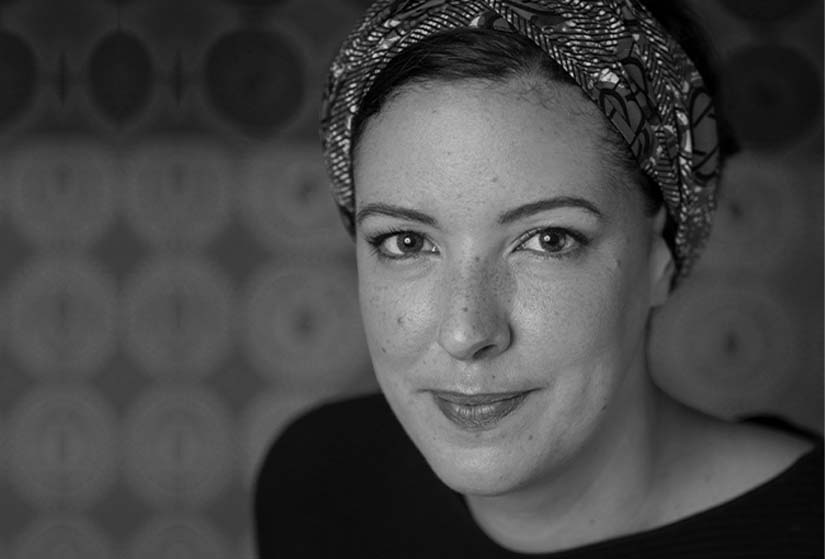

Over the past two decades, museums and cultural initiatives have begun to reshape the artistic landscape across Africa, redefining not only how art is produced and exhibited, but also how it is experienced locally. In Benin, few figures have played as central a role in this transformation as Marie-Cécile Zinsou.
Since founding the Fondation Zinsou in 2005, she has helped build one of the continent’s most influential cultural institutions—one rooted as much in public access and education as in artistic visibility. For DakArtNews, she reflects on the evolving role of museums, the urgency of rewriting art history, and why cultural institutions remain essential to how societies see themselves.
You founded the Fondation Zinsou in 2005. Twenty years later, how has your vision of its role evolved?
When the Foundation opened, it was quite unique. We were one of the only structures offering both regular exhibitions and artist residencies. At the beginning, our primary focus was the public—especially young people.
At the time, I was teaching in Abomey-Calavi, and I saw students who all had some form of artistic practice, whether in music or visual arts. I felt it was important to provide young people with tools for development that are fully part of education, but that go beyond the traditional school model.
Credit: DakArtNews.
So initially, the Foundation was designed for the public. But over time, we realized how much artists themselves needed this kind of platform. We were surprised by their strong desire to exhibit on the continent, to engage with audiences here, and to return to West Africa.
That is perhaps the major shift: a foundation conceived for the public has also become a vital tool for artists.
At the time, creating a contemporary art institution in Benin was far from obvious. What convinced you it was necessary?
At the beginning, I was told repeatedly that it was useless—that if it were necessary, it would already exist, and that Africa had other priorities. I never believed that.
I grew up in a family that had been politically exiled from Dahomey, later Benin, and I had access to free museums and libraries. For me, these are fundamental tools in building one’s identity and intellectual life. There was no reason why such tools should exist elsewhere but not in Africa.
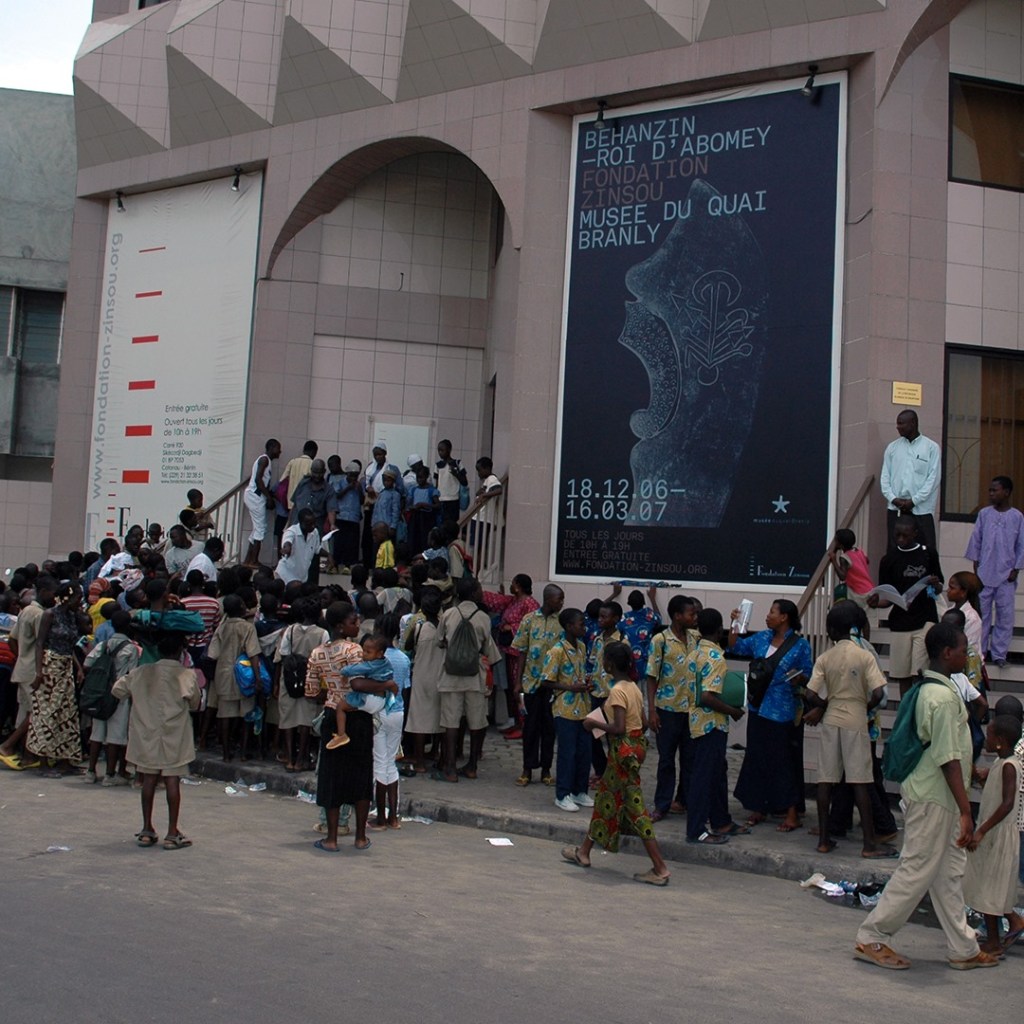
We started simply by saying: let’s try. If it doesn’t work, we will stop. But very quickly, the numbers spoke for themselves. Within a year, we had tens of thousands of visitors. Then the exhibition Béhanzin, King of Abomey attracted 275,000 visitors in just three months. At that point, it became difficult to argue that it was useless.
One of the Foundation’s core missions is education and access to art. How do you build an audience for contemporary art in a context where museum-going is not yet widely established?
We must first acknowledge something very simple: if there was no audience for certain museums, it is also because many of them were not designed to welcome one. Aging institutions, dusty spaces, no mediation, no energy—no one wants to visit that.
I have never believed the idea that “Africans don’t like museums.” It is absurd. Everywhere in the world, museums are recognized as important tools—for children, for young people, for adults. There is no reason the African continent should be any different.
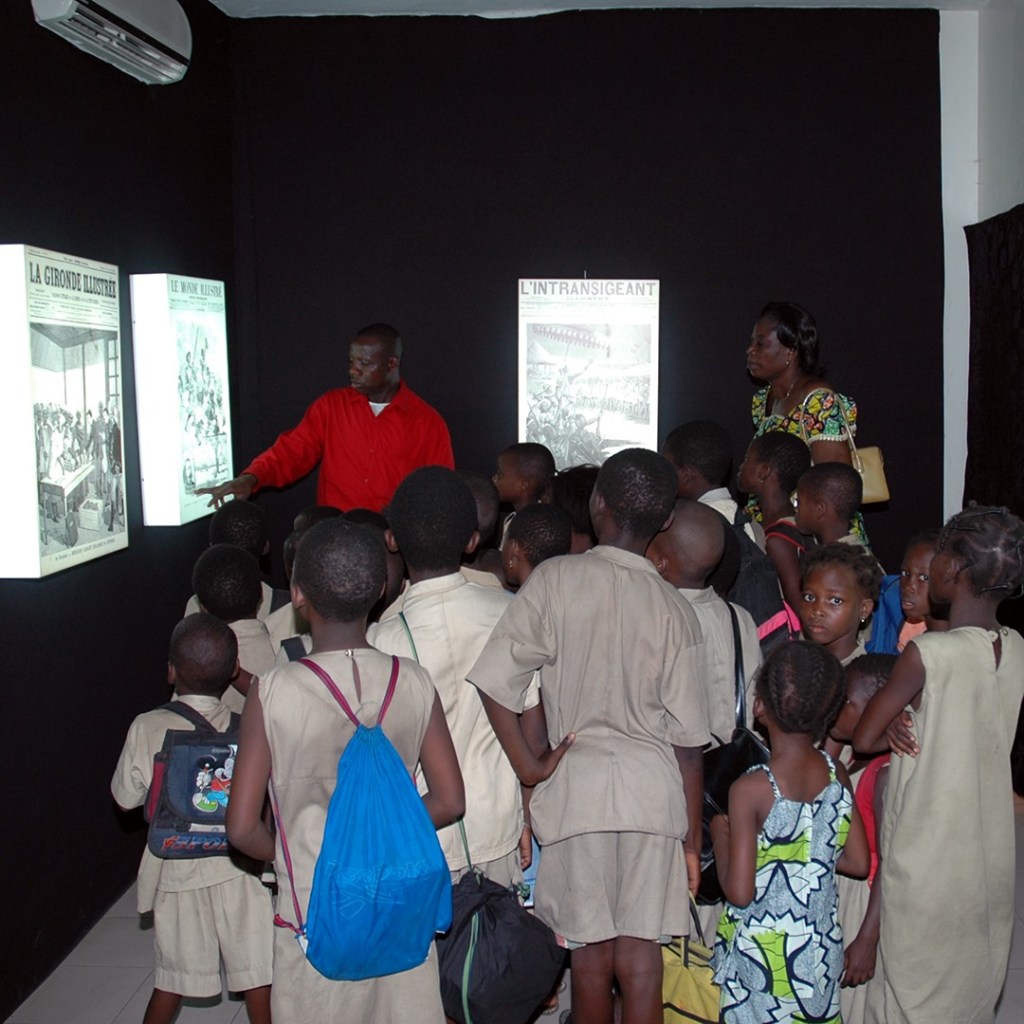
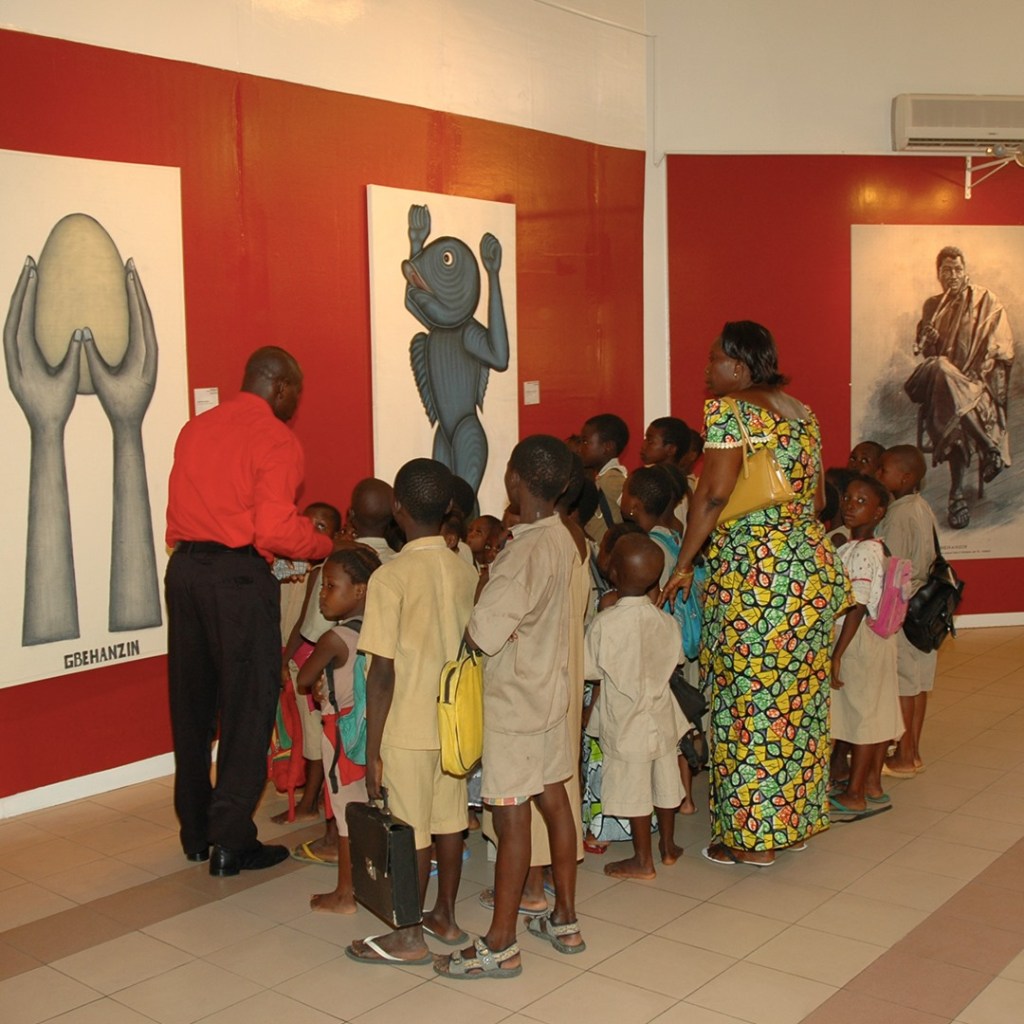
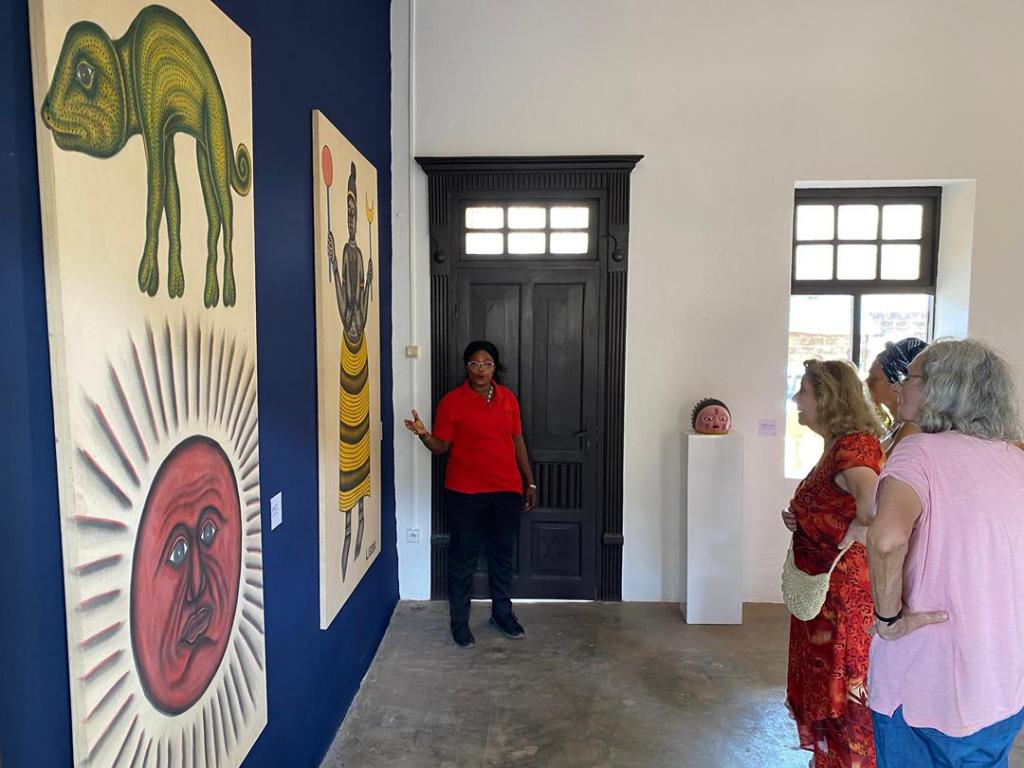
What we did was create a living, dynamic institution—one that speaks to people. And above all, we went to meet them. We reached out to school directors, invited teachers, explained how the museum could be useful. Then the children came—and the parents followed.
You place great emphasis on children. Is that the key to the Foundation’s success?
Yes, I believe it is the main key. Visiting museums is a habit that is acquired very early. It is much harder to convince adults who grew up without that experience.
Children are freer. They ask questions. They embrace imagination. And most importantly, they learn very early how to “read” contemporary art. If you are exposed to these forms and ideas at a young age, you develop a kind of fluency.
That is also why we focused on mediation. We did not just recruit guards—we recruited storytellers. My own childhood experience of museums was shaped by storytelling. For me, the museum had to be a place of imagination, transmission, and freedom.
What do you observe in young audiences when they encounter art for the first time?
A great deal of enthusiasm. There is surprise, beauty, a sense of freedom. The museum creates a different kind of dialogue than the classroom—it becomes a space where the child’s own ideas matter.
We also run workshops called Petit Pinceau, where children discover painting, drawing, collage, and sculpture. Many experience creative freedom for the first time.
I remember a project with artist Pauline Guerrier, where children were asked to dance on a large canvas with paint on their feet. At first, they refused—they were afraid of making a mess. Then one child understood that this was exactly what was expected. And from that moment on, they could not be stopped. That artwork still exists today—it perfectly captures their shift into the joy of creation.
“I didn’t transform anything. Everything was already there.”
Today, we are seeing the emergence of new museums and cultural projects across the continent. Do you think Africa is entering a new institutional phase?
Yes, I do. And I think it is closely linked to the way the continent is beginning to see itself differently. For a long time, we internalized an external, deeply devaluing gaze. One of the lasting effects of colonization has been this internalized sense of inferiority. I believe we are now starting to move beyond that.
Museums—and more broadly, artistic creation—can play a crucial role in this process. Understanding and valuing our own culture changes how we see ourselves. And that, in turn, changes how the world sees us.
Do you see your institution as contributing to reshaping the image of Benin?
From the very beginning, we have brought people from all over the world to show them who we are, and to demonstrate that we have something to contribute.
But I always insist on one point: I did not transform anything. Everything was already there—the artists, the works. My role has been to draw attention, to say: look closely, something important is happening here.
“Restitution goes beyond objects. It is a question of respect.”
What are the most urgent gaps in cultural infrastructure today?
Even before infrastructure, I would say there is still a lack of respect and recognition for artists.
The condition of the artist remains very fragile. There are few spaces to show work, little support, and limited funding for production. Artists are expected to be creators, agents, gallery owners, and salespeople all at once. It is an enormous burden.
Museums are important, of course, and Benin has made the decision to build them—which is a positive step. But we must also think about how to support artists in their daily practice.
The debate on restitution has deeply transformed the relationship between European museums and African countries. How do you assess the progress made so far?
I believe something truly revolutionary has taken place. This is not simply a matter between France and Benin—it is a global shift.
Restitution goes far beyond the return of objects. It is about respect. Independence came in the 1960s, but respect never fully followed. In that sense, restitution repairs something much deeper.
Beyond objects, what does cultural reappropriation mean to you?
It would be a mistake to reduce restitution to objects alone. There are many ways to reclaim history and dignity.
This includes archives, access to knowledge, and the ability to understand our past without relying solely on external narratives. Today, accessing that history is still difficult. It requires effort, navigation, and access to the right sources.
This is one of the great challenges of our generation: to rediscover, document, and share who we are.
In this context, should museums in Africa follow Western models, or invent new institutional forms adapted to local realities?
I believe it is essential to create institutions that reflect who we are. The mistake would be to replicate American or European museums in Africa.
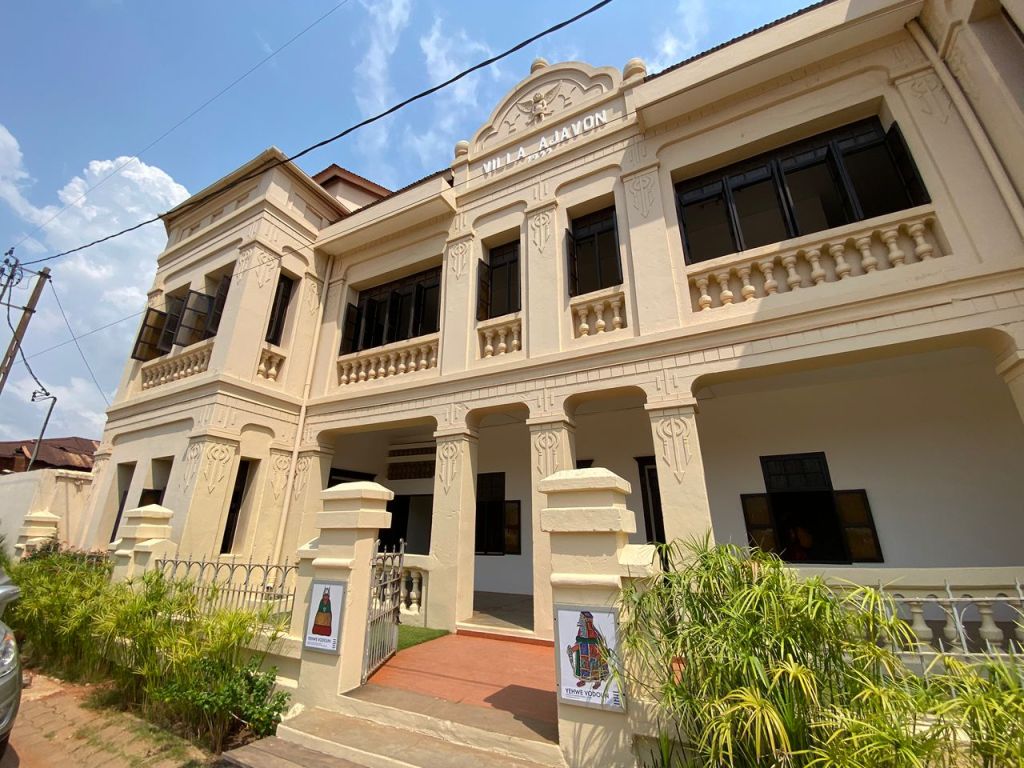
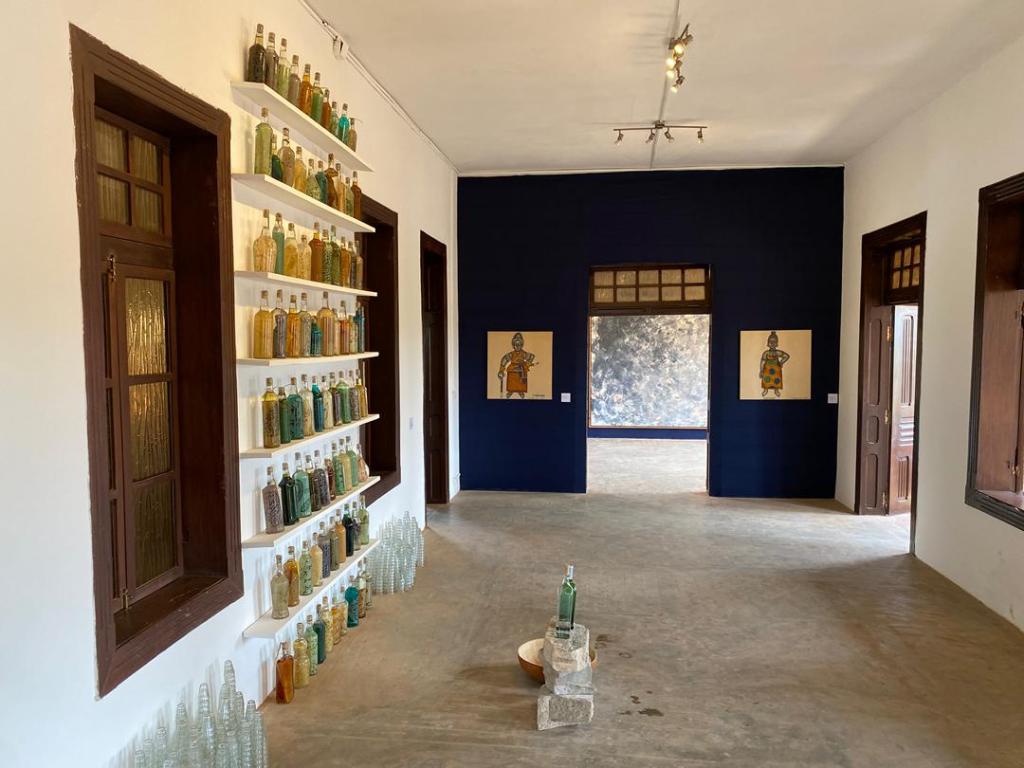
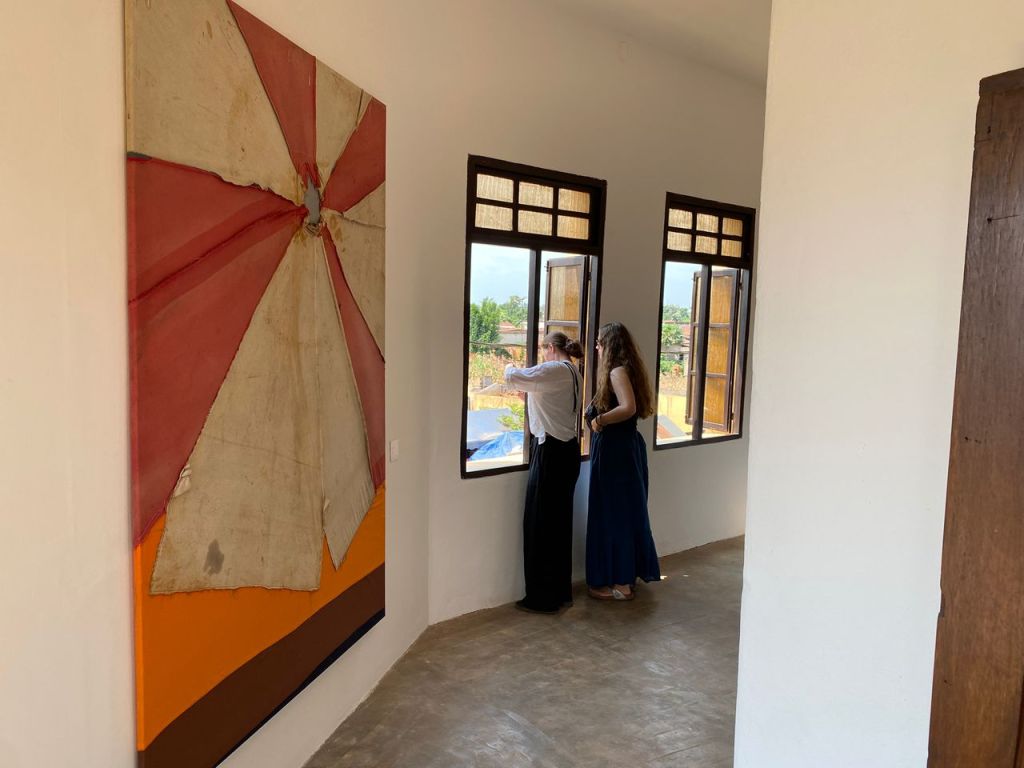
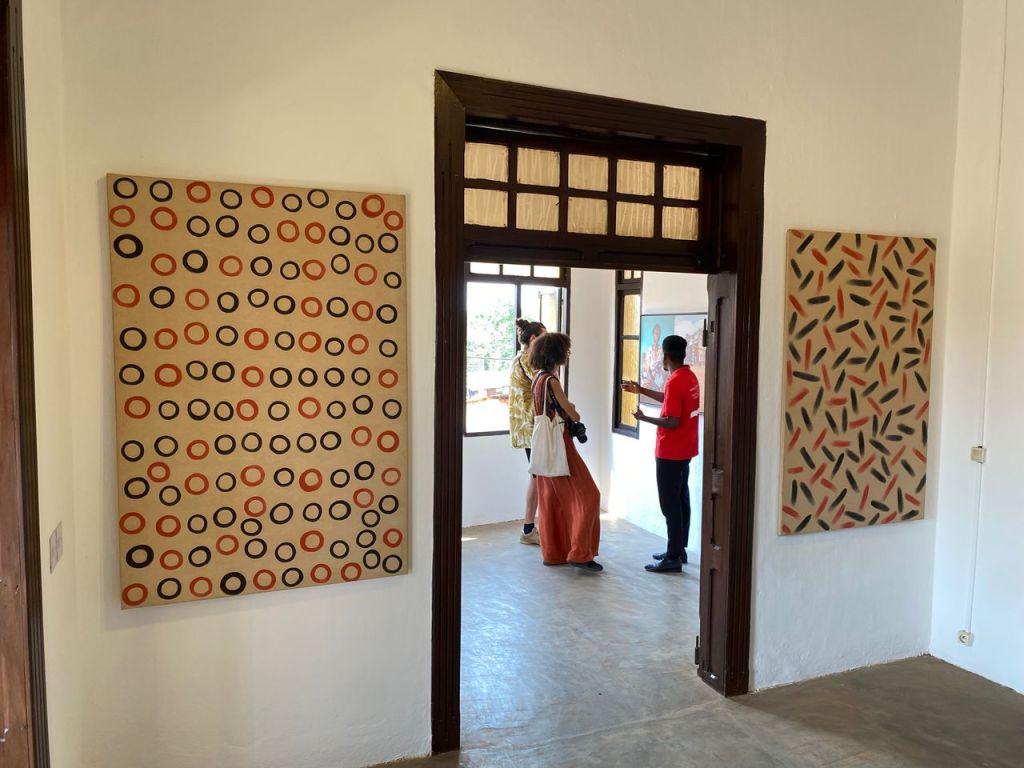
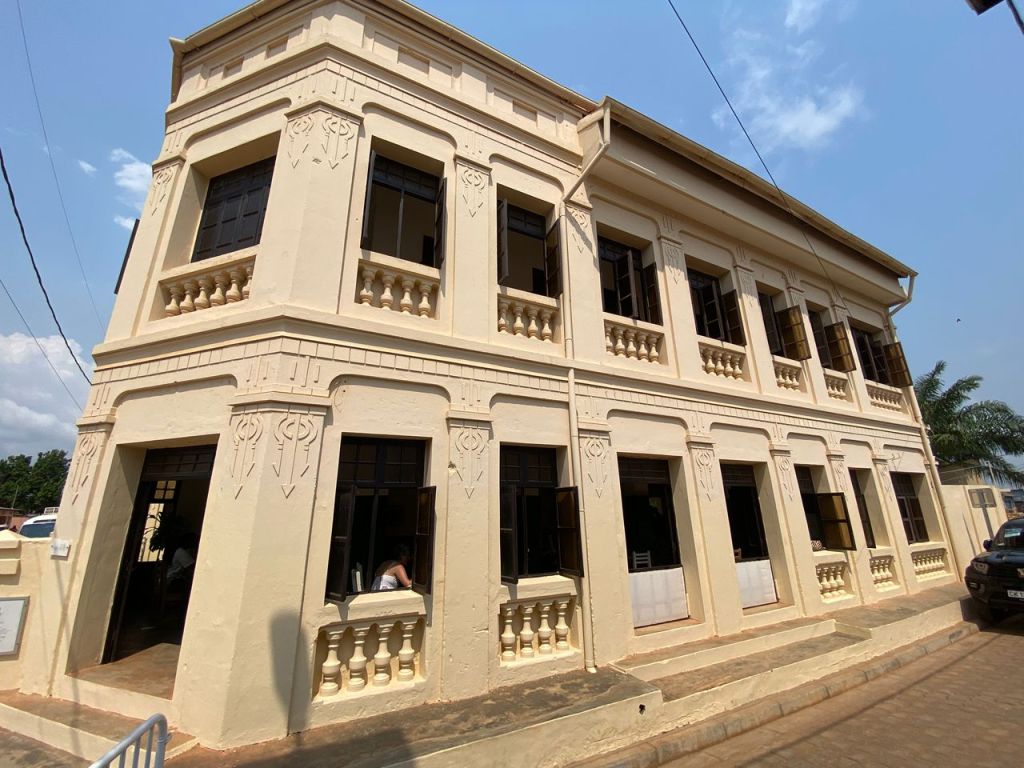
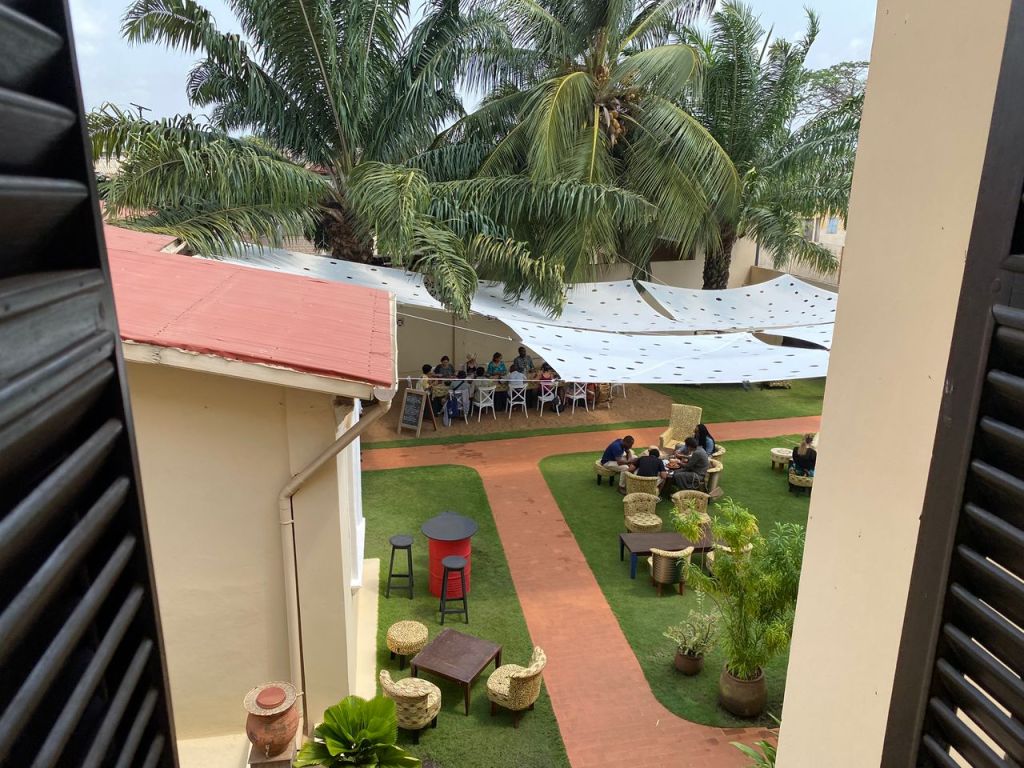
This applies to architecture, usage, ecology, and even conservation methods. In Ouidah, for instance, our museum operates with almost no electricity consumption. There is no air conditioning—just an Afro-Brazilian building that naturally regulates temperature. These are choices adapted to our context. For instance, we also created the Musée des promesses.
Can you tell us more about this museum?
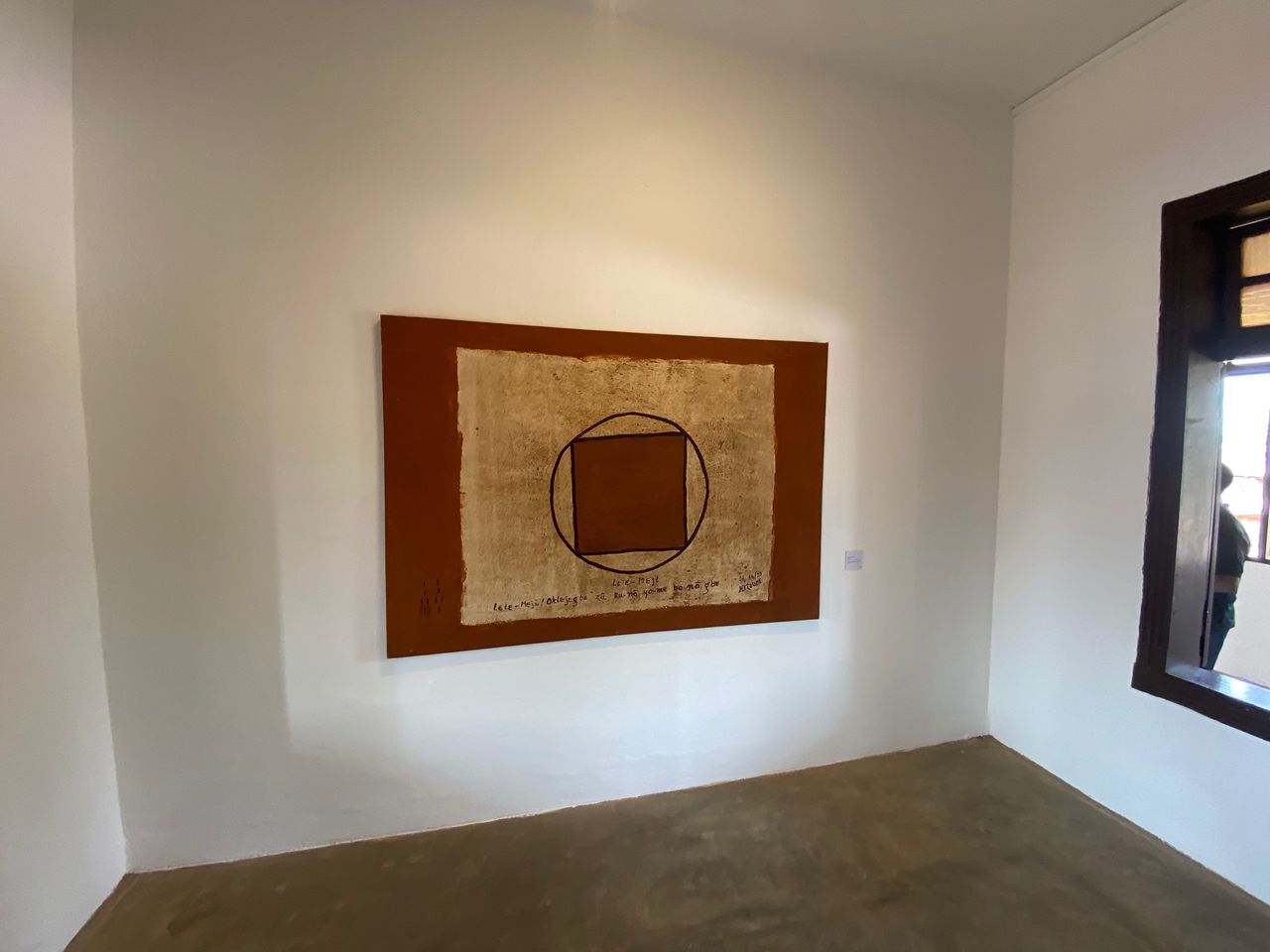
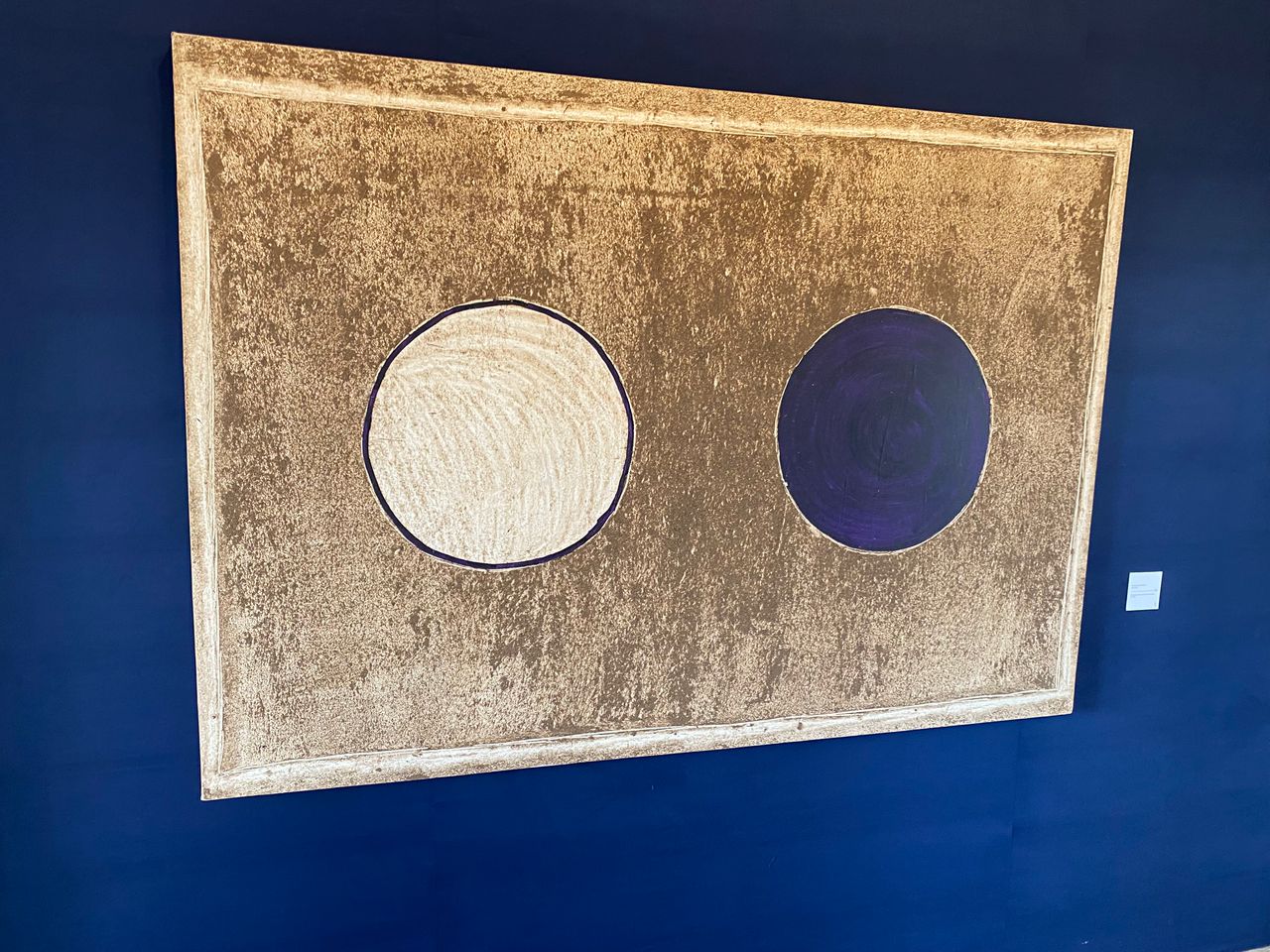
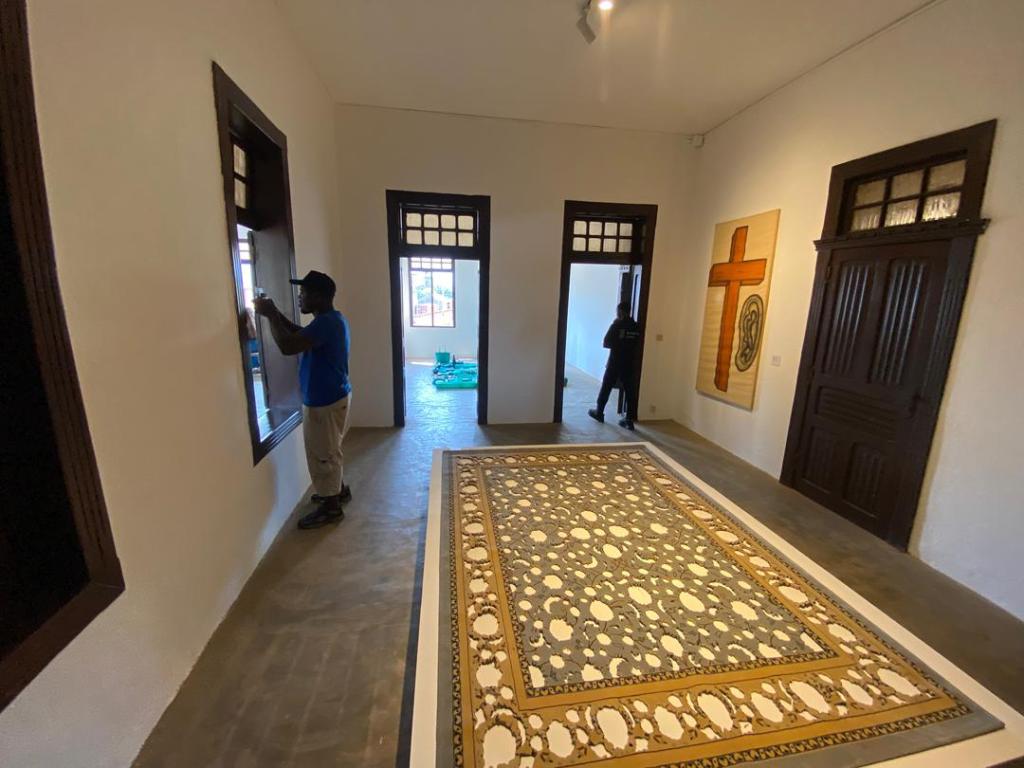
It is the artist Joël Andrianomearisoa who offered us this museum. He sketched it on a simple piece of paper while we were having lunch and talking about his exhibition for the Foundation’s 20th anniversary. And very quickly, it was already inaugurated.
It’s a museum built in just one month, entirely out of earth, with a cement coating that gives it a slightly modern look… even though it is actually made from the soil of the garden itself. It is also a museum without doors. There are large openings, no doors at all. You can enter it at any time, 24 hours a day. It is completely open.
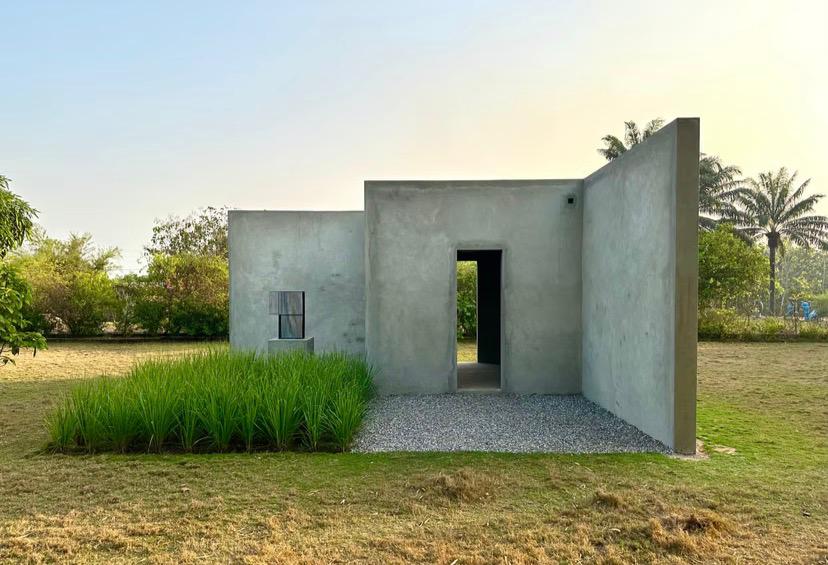
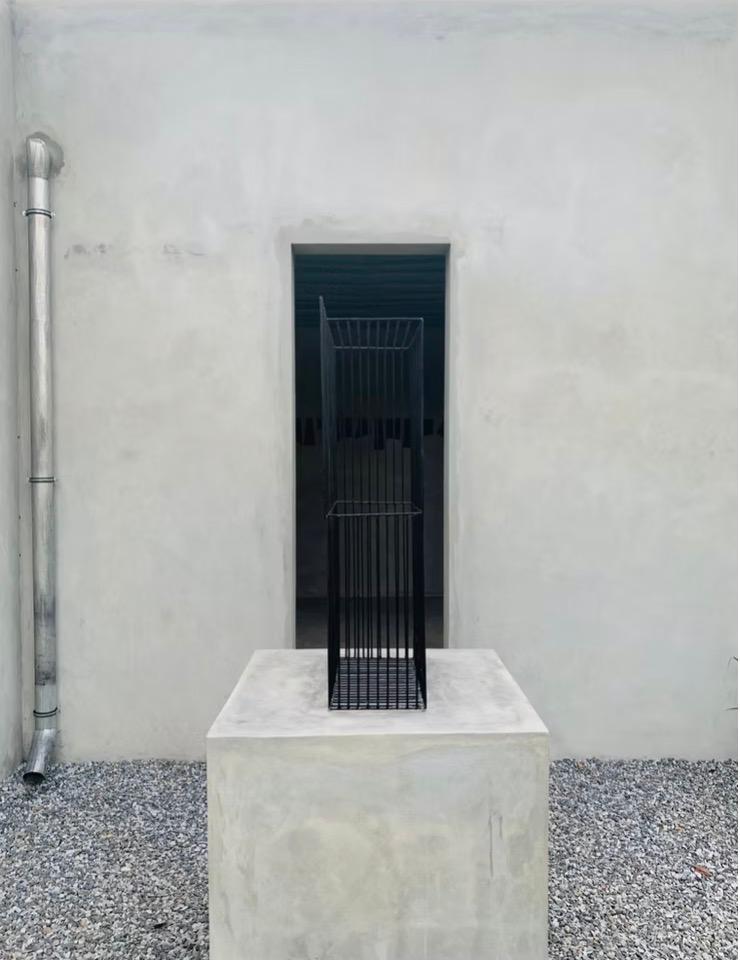
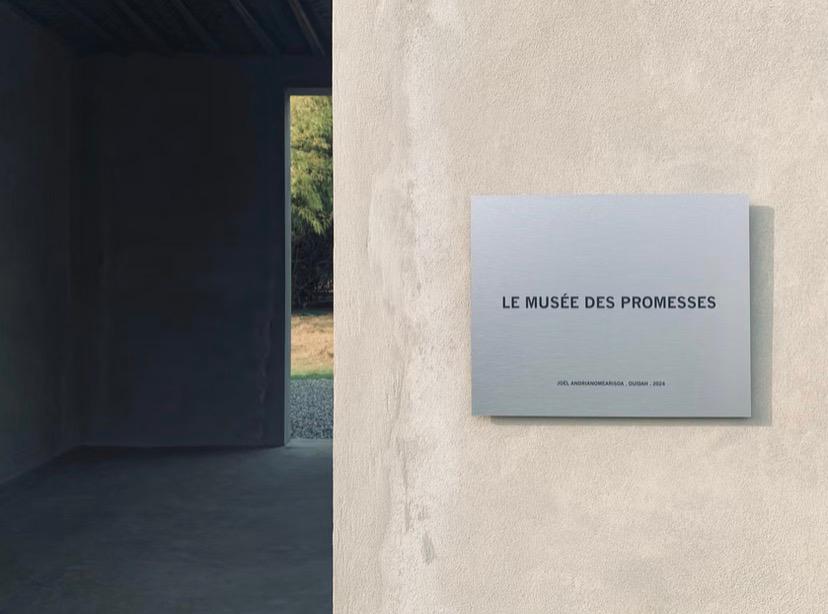
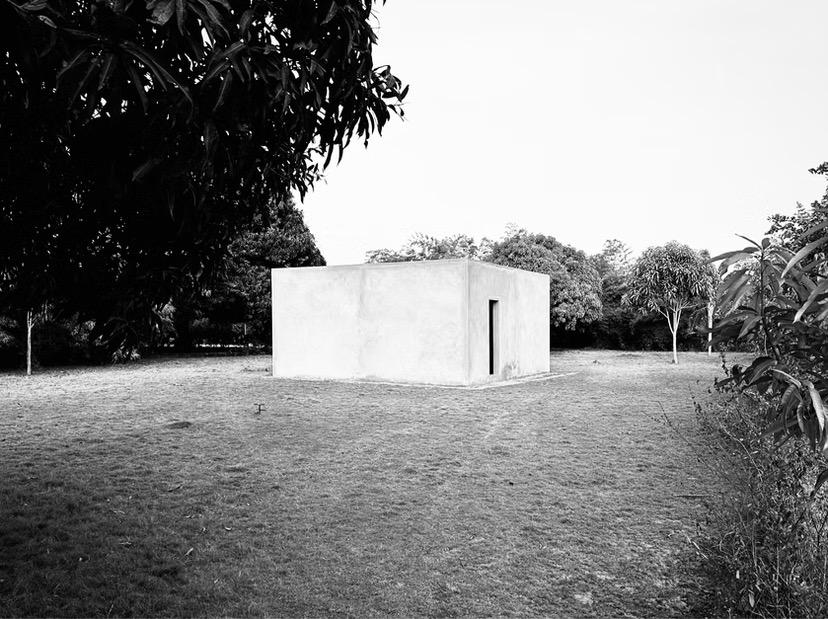
It is very small — 9 square meters. And it stems from a reflection on the minimum living space, as defined by Le Corbusier for his housing concepts. But in fact, even though it has the status of a museum, the Musée des Promesses is really something else. It is almost a monument to the idea of the museum on the continent.
It is a museum… but also an artwork. A kind of hybrid object, with a unique status. And above all, it raises an essential question: what are museums for today on our continent? What forms should they take? How do they engage with their audiences? The Musée des Promesses is really the crystallization of all these questions. Perhaps even a form of answer — or at least one of the most relevant responses to what an institution can be today.
In many African countries, cultural institutions still rely heavily on private initiatives. Is this a strength, or a sign of structural fragility in public cultural policies?
It is an immense strength. It shows that despite state shortcomings, individuals are stepping in, creating, and innovating.
Of course, this does not absolve governments of responsibility. At some point, they must step in. But this private dynamism is remarkable—it reflects the ability of people to act, to propose new, accessible, and relevant models.
More broadly, do you think artistic institutions can truly transform Africa, or is their role primarily symbolic?
Symbols transform societies. Look at sports—an Olympic champion can reshape an entire country, inspire vocations, and shift collective imagination.
In culture, it’s the same. An institution, even a modest one, can make something visible, give it value, and show that something else is possible. The symbolic is never “just” symbolic—it has real impact.
With the growing visibility of contemporary African art, are we witnessing a trend or a lasting transformation?
I don’t think this is a trend. I believe it reflects a deeper transformation, linked to the way the continent is changing how it sees itself.
As long as we did not value ourselves, others didn’t either. The multiplication of institutions on the continent that support contemporary art inevitably changes how it is perceived internationally. And I don’t believe we will go backwards.
What do you see as the next step?
There is a major challenge around art history. Even today, art history largely marginalizes the African continent. And more broadly, everything outside the Western world is often sidelined.
We need to write, document, and archive. That is why we launched the Archives of the Present at the Foundation. Since 2005, we have recorded, transcribed, and published interviews with artists, curators, and cultural figures. It is essential that in fifty or one hundred years, our history is not told only through external sources.
If you could change one thing in Benin’s cultural landscape over the next decade, what would it be?
I would ensure that access to culture is truly shared across the entire country. Opening large, spectacular institutions is important—but it is not enough. What about the youth in Parakou, for instance? Or in the north of the country? Children living far from Cotonou also deserve access to cultural spaces.
This is where the state has a fundamental responsibility: to guarantee equal access to culture for all.
 Bridging Africa and The World Through Contemporary Art
Leave a comment