

In the heart of Basel, a city whose history is intertwined with Africa in ways both inspiring and troubling, the Fondation Oumou Dilly is quietly reshaping the conversation about who gets to produce knowledge — and whose stories get told. Named after Oumou, a healer and wise woman from early 20th-century Mali, the foundation champions African perspectives in academia and the arts, bridging continents while confronting the legacies of colonialism. We spoke with Dr. Lucy Koechlin, its president, and Dr. Franziska Jenni, its managing director, about the foundation’s origins, its bold approach to cultural exchange, and its vision for empowering a new generation of African scholars and artists.
Can you tell us about the history of the creation of the Fondation Oumou Dilly?
The Fondation Oumou Dilly, based in Basel, was established in 2013 with the aim of promoting various forms of knowledge – whether academic, artistic or cultural –from Africa, supporting their greater visibility and audibility at local, regional and international levels. The Fondation Oumou Dilly sees its activities as a small contribution to opening up new perspectives on and from Africa in order to counteract the asymmetry in knowledge production that has too often and for too long shaped the continent through discourses imposed from outside. The foundation is named after a wise woman called Oumou who lived in the small village of Dilly near the Mauritanian border in Mali at the beginning of the last century. She had extraordinary knowledge of religion and medicine. To this day, Dilly is a sacred place where people seek healing from suffering and illness, partly because of her. Oumou stands for local knowledge, which the foundation aims to promote with its support by placing ways of thinking, ways of life and knowledge production from the South at the centre of world making.
What are the main objectives of the Foundation, and how do they translate into concrete actions to support education and the arts in Africa and in exchange with Europe?
As you just mentioned, the foundation’s main goals are to promote higher education and artistic activities. In the field of higher education, the foundation supports a biennial summer school in Dakar, organised by CODESRIA in cooperation with the Centre for African Studies at the University of Basel. Graduates of this programme can then apply for a scholarship lasting several months or funding for an entire master’s or doctoral programme in the social sciences. The aim here is to encourage and support young African scholars to critically engage with theories, concepts and methodologies. The foundation is particularly interested in supporting emerging scholars on a longer career trajectory.
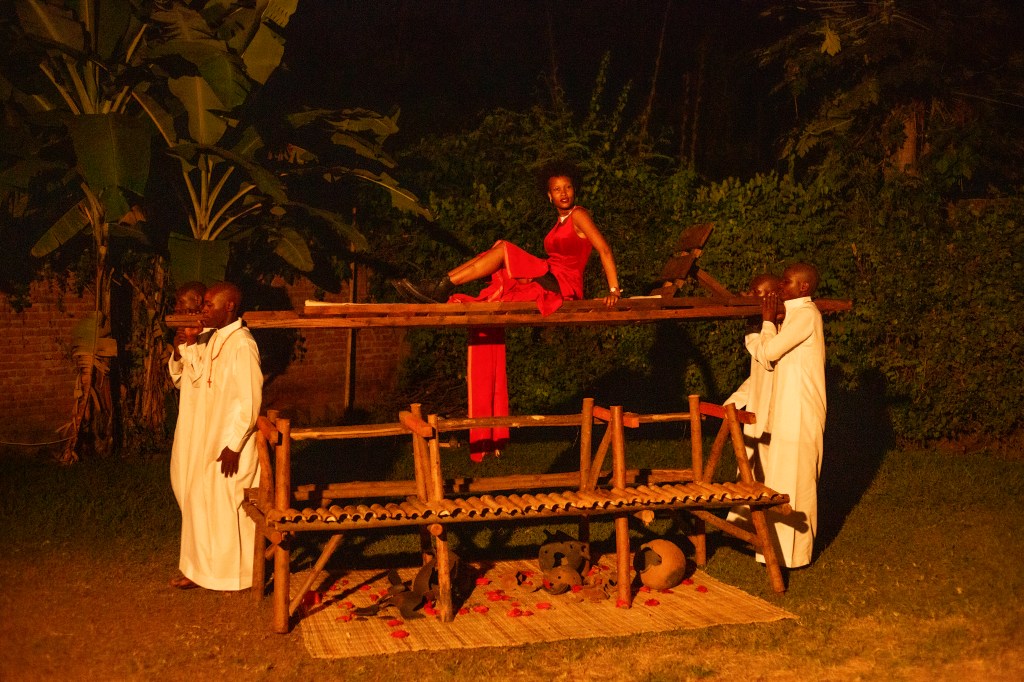
In the field of art and culture, the foundation has promoted initiatives on three different levels in recent years. Firstly, we support artist collectives in Mali and Burundi, with whom we have been working for many years on various projects, by covering the rent for their own art spaces for several years. This has supported independent cultural venues, as the foundation does not interfere in any way with their programming. Secondly, we have launched our own projects, such as ‘Longing for the Future’ and ‘Staging Times – Inter-African Encounters Between Photography and Theatre’. These initiatives focused on building connections between Africa and Europe, but also between different regions of the continent. Both projects were also interested in establishing links between different media such as photography and theatre, and translating scientific findings into artistic forms of expression. The latest collaborative project in which the foundation is involved is the development of an exhibition on the colonial history of entanglements between the Democratic Republic of Congo and Switzerland from 1885 to the present day, which is being developed together with scholars and artists from the Congo, the Congolese diaspora and Switzerland. Thirdly, we regularly support projects that are referred to us by our long-standing partners. It is important to us to nurture long-term relations with them based on trust and respect.

How does the Foundation draw inspiration from the Basel region, a global cultural hub, to shape its initiatives, particularly in fostering exchanges between Africa and Europe?
Historically, Basel has manifold relations with the African continent, many of them highly problematic in the context of religious missions as well as cultural and economic exploitation. This long history of interactions with Africa means that Basel has many institutions that are repositories as well as production sites of knowledge about and on the continent. Examples include the university, museums, the former mission society, as well as many individuals and organisations who are engaged in Africa in different ways. Thus, in its home town the foundation is surrounded by material and immaterial evidence of colonial extraction and suppression, making our own responsibility to decolonisation glaringly obvious. Jointly with our networks, our commitment is to seriously address this legacy in a critical, decolonised way, that at the same time feeds into the creation of plural and diverse forms of knowledge that are relevant for the world of tomorrow.

You fund doctoral and postdoctoral scholarships in social sciences, as well as summer schools with CODESRIA and the Centre for African Studies in Basel. Can you share a success story or a concrete impact of these programs on young African researcher
One individual example is a researcher from northern Cameroon who participated in the fourth (remote) CODESRIA-CASB Summer School 2022 in the midst of the COVID-19 pandemic and then came to Basel for six months on a scholarship 2023. A few weeks ago, she successfully defended her PhD thesis in rural sociology as part of a joint programme between the University of Douala and the University of Lille and is now working as a postdoctoral researcher at HUMA – Institute for African Humanities in Cape Town, South Africa. Both the summer school and the subsequent scholarships offer aspiring researchers the opportunity to network internationally with peers and lecturers and to gain experience in different academic environments. They often encounter a variety of scientific approaches, concepts and methods, which contribute to promoting critical thinking about complex issues in a constantly changing world.
We know from an evaluation among FOD alumni that all of them have successfully completed their dissertations and are continuing their academic careers as researchers and lecturers, mostly at universities in their home countries, but sometimes also in other African countries or in Europe. According to the participants’ feedback, the summer school and the subsequent scholarship were significant elements in developing their thinking, their social and academic networks, and their careers.
“The arts play a key role… as they can access and express forms of knowing in much richer ways…
Which obstacles have you encountered in carrying out these programs, and how do you ensure they meet African communities’ real needs?
As mentioned above, we have already conducted an evaluation of the scholarship programme by sending a detailed questionnaire to all FOD alumni, which we have received back fully completed. Based on these feedbacks, we are in the process of adjusting some parts of the scholarships. We have also recently started evaluating the summer schools, involving the organising institutions, faculty members and participants. Together, we are in the process of discussing how we can best move forward to ensure relevance for all concerned.

Why does the Foundation place a particular emphasis on the arts, such as photography and theatre, and how do these disciplines contribute to your goals of promoting cultural exchanges?
A cornerstone of the foundation is the deep conviction that knowledge is plural, and that this plurality also needs to be reflected in the way practices and expressions of knowledge are articulated. The arts play a key role in such articulation, as they can access and express forms of knowing in much richer ways than mere spoken or intellectual knowledge. The focus on photography and theatre has more to do with the fact that we have experience and networks in these areas within the foundation, not because we think that other artistic disciplines are less suitable for cultural expression.
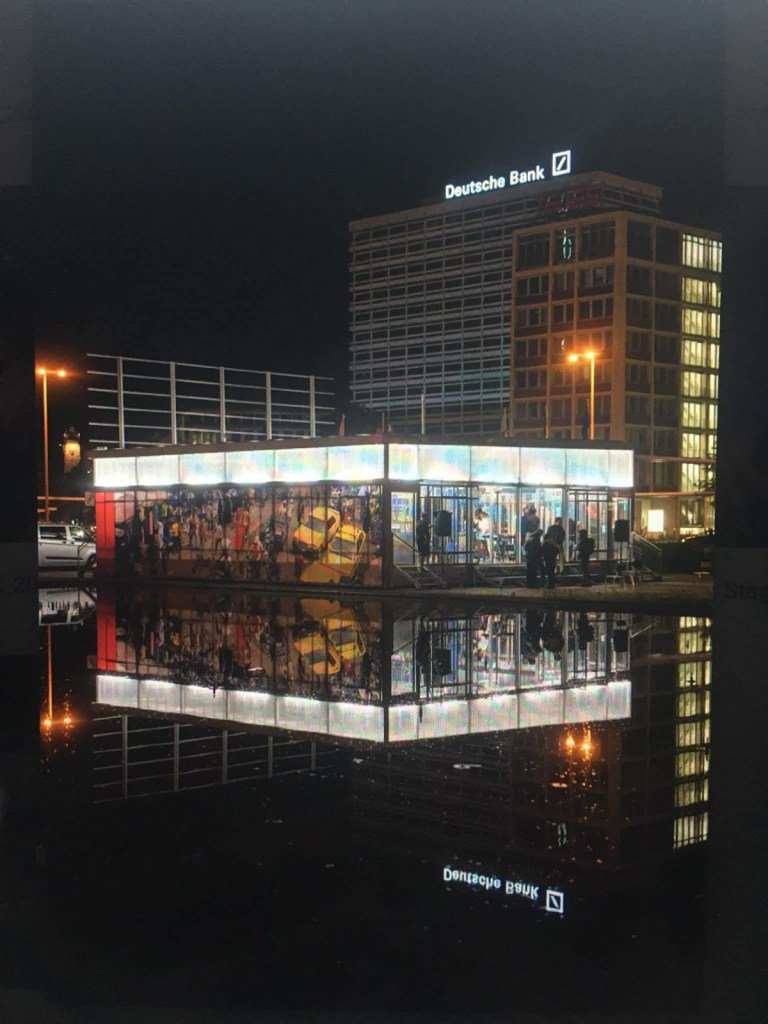
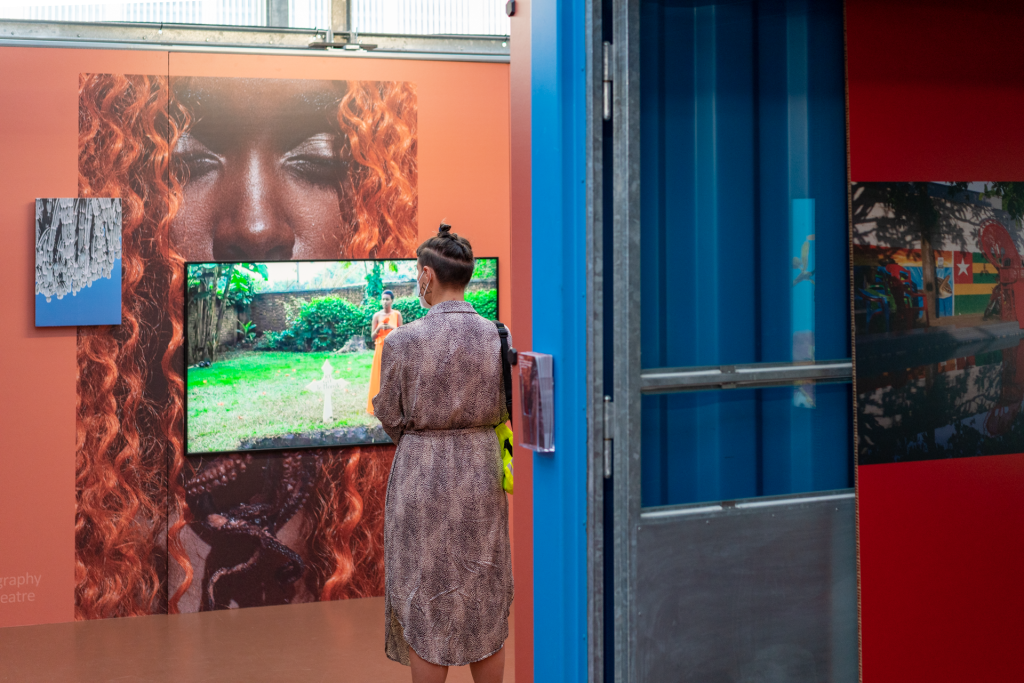
As a media partner, DakArtNews covered the first edition of Africa Basel, held from June 18 to 22, 2025, in Basel, highlighting contemporary African and diaspora art. From your perspective, how does an event like Africa Basel contribute to enhancing the visibility of African artists?
Between 2008 and 2011, there were already efforts in Basel to bring artists and their works from the African continent and the global diaspora to the city during Art Basel. However, it was tough, for there were hardly any galleries in Africa and abroad promoting artists from the continent. Today, in 2025, things look a lot better. Africa Basel presented 18 galleries and a diverse programme that invited interesting discussions. Importantly, Africa Basel also contributes to raising the visibility of artists from the African continent and the diaspora within the framework of Art Basel, as do a variety of initiatives outside the context of the fair, whether at the local, regional or international level. The success of Africa Basel underscores the need for and potential of more plural artistic expressions. We are very encouraged to continue engaging with different initiatives that strengthen the presence of African art within and beyond the continent.
You supported DakArtNews for our media coverage of Africa Basel 2025. Can you explain what motivated you to support our platform?
Ben Füglister, initiator of Africa Basel and long-standing partner of the foundation, asked us in the run-up to the fair whether we could imagine supporting DakArtNews in its coverage of the art fair on its independent media platform based in Dakar. We were delighted to hear that the event would be covered by DakArtNews, since a thriving art ecosystem also requires well-founded cultural reporting, and there is still far too little analysis and commentary on international art events from the African continent.
“Be brave, you are not alone.
What are the measurable impacts of your initiatives, whether educational scholarships or artistic projects?
In terms of the scholarships, there are specific academic milestones such as degrees, publications or academic positions that can be measured. For cultural projects, impact indicators include outreach (such as number of visitors) or media reports. However, whilst we are keen to understand what the measurable impact of our engagement is, our primary concern is the question whether our collaboration contributed to accessing and articulating new, productive perspectives of being in the world of today and the future. This impact is difficult to measure, but we are in the process of thinking how we can capture the outcome of our collaborations and activities more concretely.
Looking ahead, which projects or priorities will the Foundation focus on in terms of partnerships, program growth, or innovation??
One of the foundation’s goals, especially in uncertain times like these, when emancipatory projects are more at stake than ever, is to invest its energy, knowledge, contacts and financial resources in collective and convivial projects that aim to find ways to articulate previously invisible experiences, epistemologies and ontologies. One key priority is to be more focused: the second key priority that goes hand in hand is a process of critical self-reflection on our role and modus operandi.
What message would you like to share with young African artists and researchers who might be inspired by the work of the Oumou Dilly Foundation?
Be brave, you are not alone.
Read also
Africa’s Artists Deserve a Bigger Stage. Basel Is Just the Start
The Evolution of Contemporary Art in Senegal: A Conversation with Bara Diokhané
 Bridging Africa and The World Through Contemporary Art
Leave a comment