
Out of the roughly 290 elite galleries occupying the main halls of Art Basel, only a tiny handful are based on the African continent. The imbalance is striking. During Basel’s most important week of the year, hundreds of exhibitions, fairs and cultural events transform the Swiss city into the temporary capital of the global art world. Yet even within this vast ecosystem, African galleries remain the exception rather than the rule.
The challenge, many insiders argue, has never been the quality of the art, but access to the platforms that shape legitimacy and opportunity. While international attention paid to African artists has grown over the past decade, this recognition has not translated into equivalent representation for African-based galleries within the upper tiers of the global art market.
It is within this context that Africa Basel returns for its second edition from June 17–21, 2026. Conceived as an international boutique fair dedicated to contemporary art from Africa and its global diaspora, the event occupies a distinctive position during Art Basel week. In the art world, a sophomore year is often a critical test. The novelty of a successful launch has faded; what remains is the more difficult task of proving long-term relevance and systemic viability. For the eighteen exhibitors arriving from cities including Lusaka, Dar es Salaam, Marrakech and London, this second edition is less about celebrating arrival than about consolidating an alternative ecosystem — one built on sustained dialogue, professional exchange and deeper forms of engagement between artists, galleries, institutions and collectors.
A New Venue, A Slower Pace
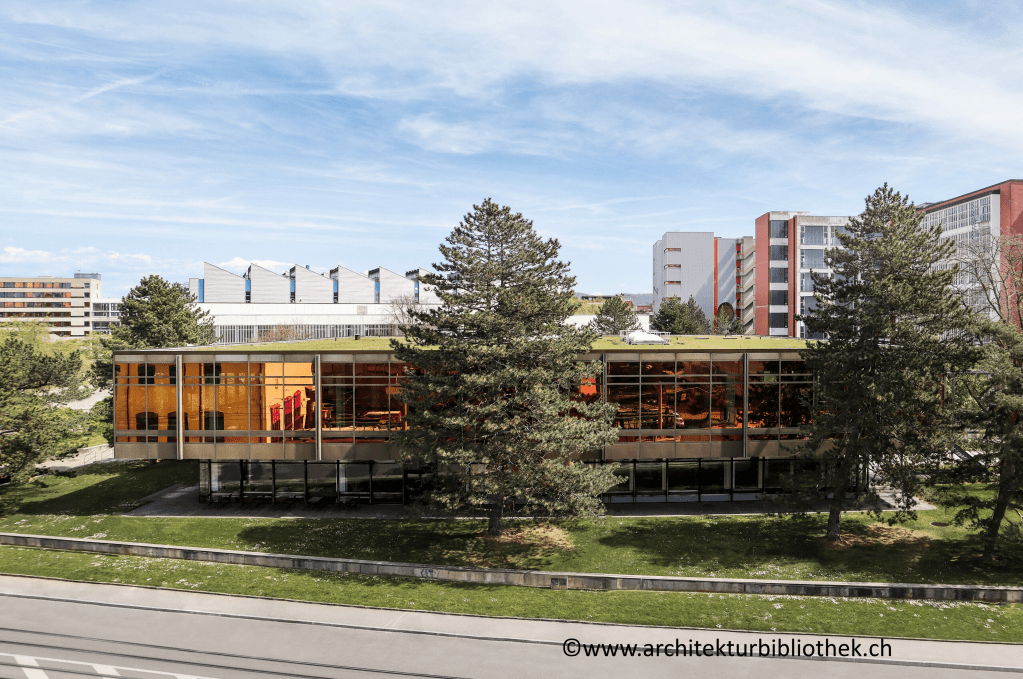
The most immediate change for the 2026 edition is physical. The fair has relocated from the historic, intimate quarters of the Ackermannshof—where it debuted last year—to Klybeck 610, a mid-1960s former industrial laboratory building located in a rapidly transforming urban district of Basel.
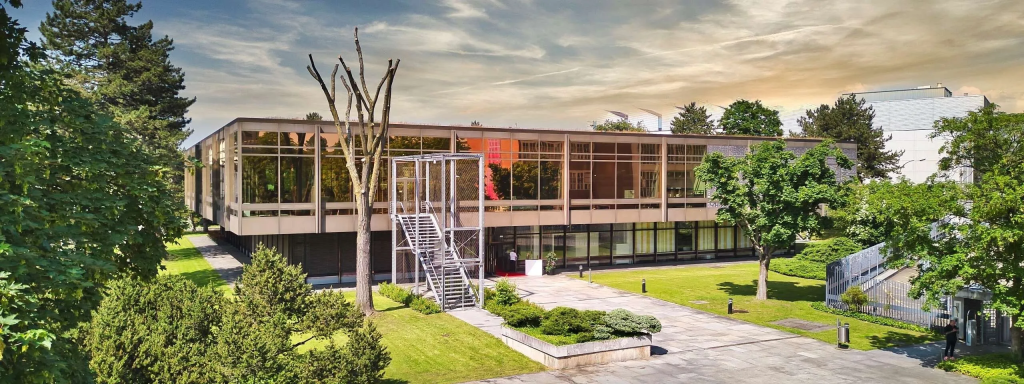
“Klybeck 610 is not a neutral venue,” Benjamin Füglister, the co-founding Director of Africa Basel, noted in an interview. “It carries industrial history, urban transformation, and a rawness that we find relevant. During Art Basel week, there is already so much speed and noise. Africa Basel should offer another rhythm: a place where visitors can look, listen, and stay with the art.”
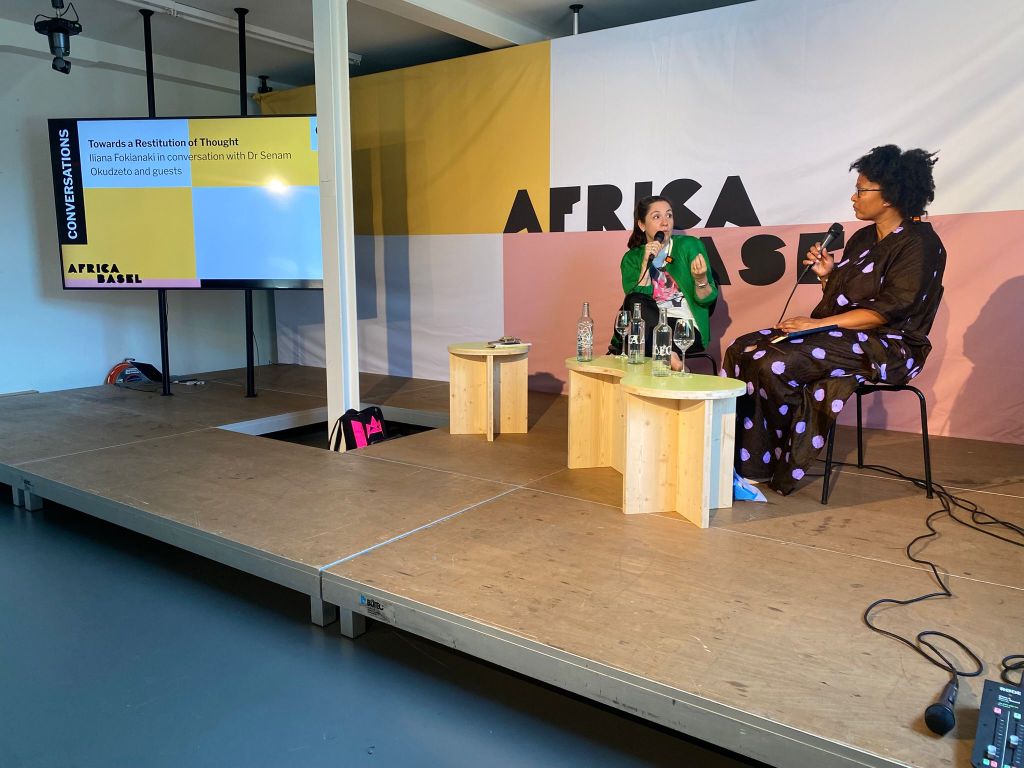
In a shift from standard art fair layouts—where panel discussions are typically held in separate rooms or dedicated auditoriums—the organizers have positioned the “Conversations” platform at the center of the main exhibition hall. By placing the discussion space directly among the gallery booths, the fair integrates its educational programming into the commercial marketplace.
“For me, discourse is not decoration,” Füglister says. “It is infrastructure.”
The scheduling for these panel discussions focuses on the broader infrastructure of the art market. The programming is structured around specific themes, including the dynamics of independent art publishing, institutional recognition, the development of artist-led initiatives, and the sustainability of regional cultural ecosystems.
Shifting Expectations: From Visibility to Viability
For returning participants, the expectation this year has shifted from a desire for mere exposure to a demand for deep, structural relationship-building.
“Our return marks an important continuation,” says Eleri Fanshawe, a curator at London’s October Gallery, which is participating for the second time. For Fanshawe, the fair’s evolution into a more dynamic platform creates “fresh opportunities for dialogue, discovery, and engagement with new and returning collectors alike.”
October Gallery is signaling this commitment to the Basel audience by returning with a core group of five artists from last year—including Eddy Kamuanga Ilunga, Alexis Peskine, and Zana Masombuka—while introducing two new voices to the fair: the steel sculptures of the acclaimed Nigerian artist Sokari Douglas Camp CBE and the photography of Senegalese multimedia artist Djibril Dramé.
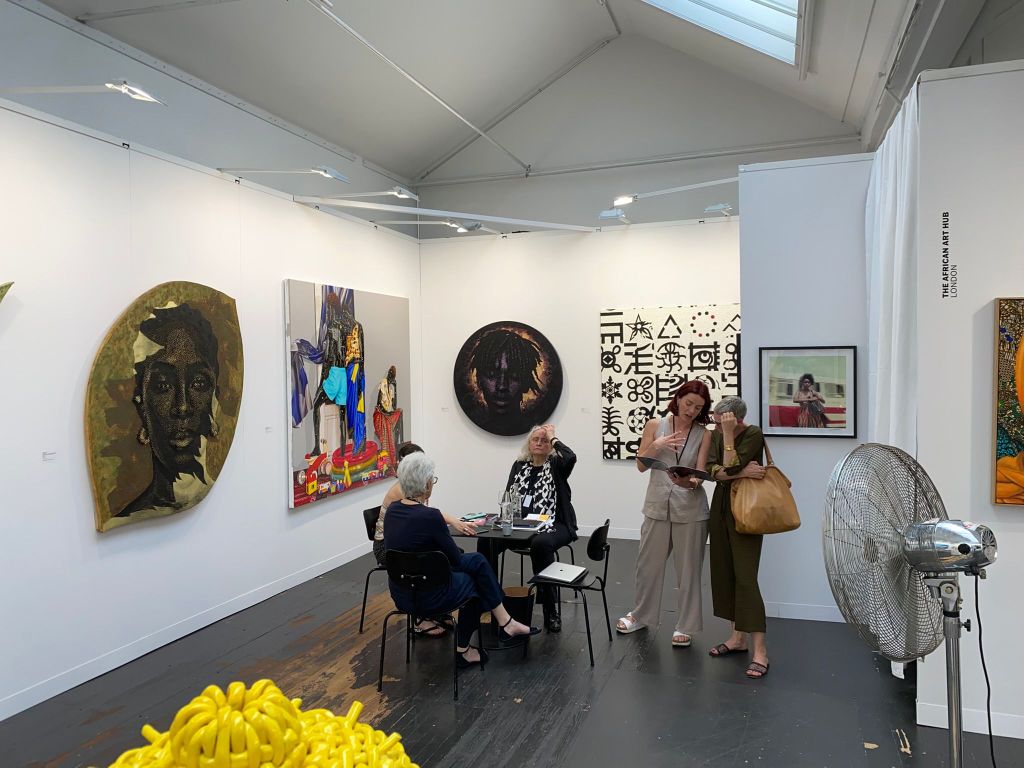
That sense of continuity is exemplified by Modzi Arts Gallery, an indigenous, female-led space operating out of Lusaka, Zambia. Modzi has returned to Basel with the exact same duo of artists as last year, Natasha Evans and Mwamba Chikwemba, treating the fair as an ongoing multi-year dialogue rather than a one-off showcase.
For Ba Taonga Kaunda-Kaseka, director of Modzi Arts, returning to the fair is a calculated, strategic choice to master a complex global playing field.
“We are interested first in the idea of being in exchange with dealers, collectors, residencies, media, galleries, artists, and the artistic community in Basel,” she explains. “Our past work focused on presenting Zambian artists in Africa. After experiencing Africa Basel firsthand, this year we are confident with the fair’s aims of building a platform for Africans in Basel.”
Yet, Kaunda-Kaseka does not sugarcoat the reality. “As much as it is about a dream, it is also about enduring the limitations from which we call Zambia. In order for us to get access, we must understand the art market, contribute to the cost, and figure out our role within this ecosystem, as an indigenous African female-led gallery.”
The Reality of Funding and Barriers to Entry
This market structure highlights a disparity between global sales and local infrastructure. Over the past decade, annual auction sales of modern and contemporary African art have consistently generated between $50 million and $70 million, reflecting increased acquisition activity by international museums, biennials, and private collections. However, relatively little of this secondary-market capital directly funds primary gallery infrastructure on the continent.
For galleries operating directly from Africa, entering the European market requires managing substantial overhead, including international shipping fees, currency fluctuations, and visa regulations.
The participation of spaces like Modzi Arts Gallery underscores the role of external financing in bridging these operational gaps. To clear the logistical costs of traveling from Lusaka to Switzerland, Modzi secured funding from SüdKulturFonds, a Swiss philanthropic fund that supports cultural initiatives from regions underrepresented in the global market.
Without this type of institutional support, financial and administrative barriers limit the participation of many galleries from the african continent.
“These challenges affect everyone, but not equally,” Füglister says. “We cannot solve all structural problems, but we can choose not to reproduce them unnecessarily. With a smaller number of exhibitors, we can work more personally.”
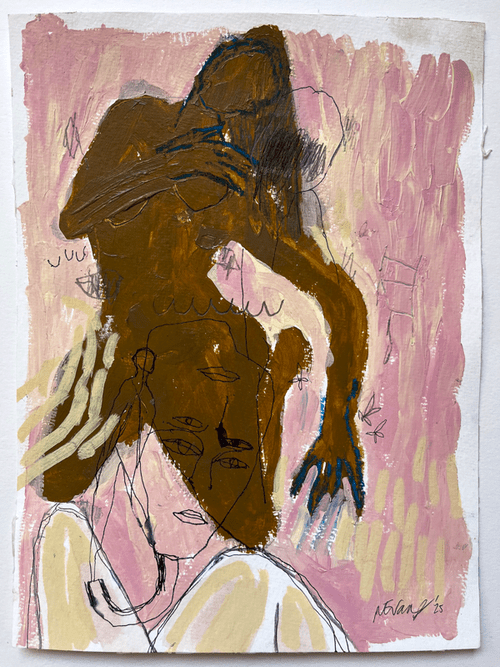
For the artists who make it to Klybeck 610, the reward is the chance to dismantle western assumptions.
“One of the things I found most interesting during last year’s fair was how often visitors arrived with preconceived ideas about Africa and who represents it,” says artist Natasha Evans. “My work reflects the stories, relationships, and environments that have informed my practice over many years. Africa’s creative landscape is diverse, layered, and continually evolving.”
Her colleague, Mwamba Chikwemba, notes that the true metric of success at Africa Basel extends far beyond immediate sales. “The value is in the conversations and the exposure with people who are genuinely curious about Zambian contemporary art, the materials I use, and the ideas behind my work.”
“A Seat at the Table”
For first-time participants anchoring this year’s line-up, Africa Basel represents a profound geopolitical milestone.
“To stand here today as the first Tanzanian gallery participating in Africa Basel is incredibly meaningful,” says Lorna Mashiba-Albou, founder of Dar es Salaam’s Rangi Gallery and the curator of the Tanzanian Pavilion (In Minor Keys) at the Venice Biennale. Mashiba has spent years cultivating opportunities for Tanzanian artists who have historically been underrepresented on the global circuit.
“It feels like Tanzania is finally being given a seat at the table of the global art world,” Mashiba says. “It is a powerful statement that we are here, we have arrived, and we are ready to contribute to the global conversation.”
Other newcomers are utilizing the boutique format to push the boundaries of what an art fair can commercially accommodate. KE’CH Collective, a creative platform operating between Marrakech and Switzerland, is presenting a large-scale interactive installation and performance by multidisciplinary artist Youssef Ouchra as a Special Project.
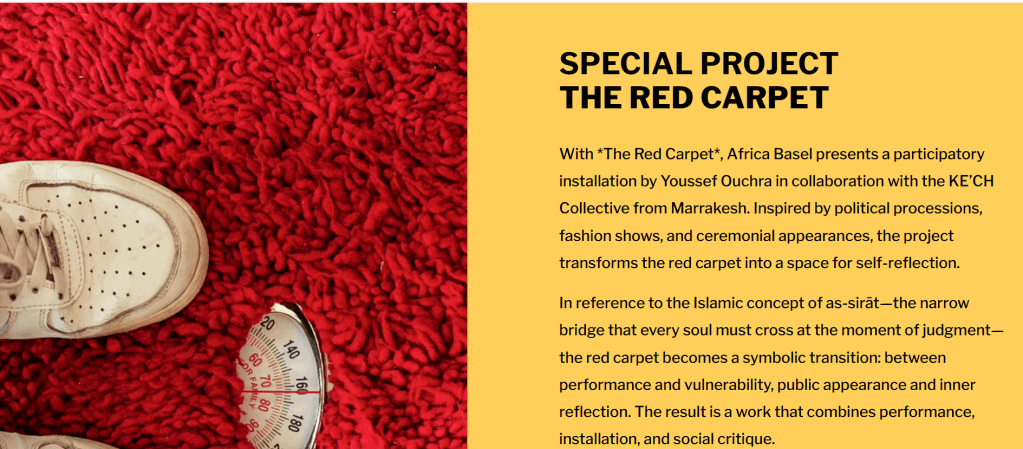
By intentionally stripping away immediate commercial pressures, Andrea Dyrland, curator of KE’CH Collective at Africa Basel 2026 hopes to foster genuine experimentation. “During Africa Basel, we hope to exchange thoughts and ideas with other cultural practitioners who are challenging traditional channels of art dealing and exhibition,” Dyrland explains.
Looking Beyond The Fair
Ultimately, the long-term strategy for Africa Basel differs from conventional art fair models that prioritize permanent commercial expansion. Instead, the organizers view the project as a targeted response to current market conditions.
However, specialized platforms focused on specific regions often face scrutiny from industry observers. Critics argue that separating artists by geographic or cultural identity risks creating a parallel market, potentially reinforcing the very categorization that keeps these artists marginalized from the mainstream global circuit.
Füglister acknowledges these concerns but views the boutique format as a tactical necessity rather than a permanent solution.
“Africa Basel is not set out to last for 200 years,” Füglister says. “The deeper transformation would be that a platform like ours becomes less necessary over time because the system itself has changed.”
Until those structural adjustments occur within the broader art market, the venue at Klybeck 610 is intended to function as an intermediary platform for regional and international exchange.
Reported by DakArtNews Staff.
Read also
Africa’s Artists Deserve a Bigger Stage. Basel Is Just the Start
The Post-Visibility Blues: On Venice 2026 and the Limits of Representation – Review
For Omar Ba, the Canvas Is a Political Battlefield: “Art Is Not a Game. It’s a Form of Violence.”
 Bridging Africa and The World Through Contemporary Art
Leave a comment